Old Singer Sewing Machine Manual: A Comprehensive Guide
Embark on a journey through the rich history of Singer sewing machines, discovering invaluable resources for maintaining and restoring these treasured heirlooms.
This guide offers essential information, addressing the recent challenges in accessing manuals following the Singer, Pfaff, and Husqvarna merger, providing solutions for locating digital copies and vintage parts.
Historical Significance of Singer Sewing Machines
Singer sewing machines hold a profoundly important place in history, revolutionizing home economics and the textile industry. For over a century and a half, these machines have been integral to countless households, becoming synonymous with sewing itself. Many fondly recall grandmothers utilizing these robust and reliable machines, a testament to their enduring quality and design.
Initially, Singer’s innovation democratized dressmaking, allowing individuals to create and repair clothing affordably, rather than relying solely on professional seamstresses. This accessibility fueled a surge in home sewing and personal expression through fashion. The machines weren’t merely tools; they were catalysts for social change, empowering women and fostering creativity.
The iconic status of Singer machines is further cemented by their craftsmanship and often, the beautiful decorative elements adorning them. Preserving these machines, and the accompanying manuals, is therefore not just about maintaining a functional object, but about safeguarding a tangible piece of cultural heritage.
The Importance of Manuals for Vintage Machines
Vintage Singer sewing machine manuals are absolutely crucial for owners seeking to understand, maintain, and repair these mechanical marvels. Unlike modern computerized machines, vintage Singers rely on precise mechanical interactions, demanding specific knowledge for proper operation and troubleshooting. A manual provides detailed instructions on threading, stitch regulation, and oiling points – essential for preventing damage and ensuring longevity.
Recently, accessing these vital resources has become more challenging. The consolidation of Singer, Pfaff, and Husqvarna websites led to the removal of many previously available online manuals, creating frustration for enthusiasts. Consequently, locating original manuals or reliable digital copies is now paramount.
Without a manual, even simple tasks can become daunting, and attempting repairs without guidance risks causing further complications. These manuals aren’t just instructions; they’re a direct link to the machine’s original design and intended functionality, preserving its legacy.
Locating Original Singer Sewing Machine Manuals
Finding original Singer sewing machine manuals requires diligence and exploration of various avenues. Online marketplaces like eBay and Etsy frequently list original manuals, though prices can vary significantly based on condition and model specificity. Dedicated vintage sewing machine parts suppliers, such as vintagesingerparts.com (referenced by users seeking manuals after Singer’s website changes), often stock reproduction or original manuals.
Online forums and communities dedicated to vintage Singer machines are invaluable resources. Members often share digital scans or knowledge of where to find physical copies. Additionally, libraries with extensive collections of technical manuals may hold Singer publications.
Be prepared to invest time in searching and potentially restoring a found manual. Consider digital archives and online libraries, though availability is inconsistent due to recent website mergers and content removal.
Singer Model Numbers and Identification
Understanding Singer model numbers is crucial for locating the correct manual and parts. Singer utilized a complex numbering system, often incorporating letters and suffixes to denote variations within a model class. For example, the popular “31-15” designates a specific variant, while “99” and “99K” represent different versions of the same basic machine, built around 1950.
The model number is typically found on a plate affixed to the machine, often near the handwheel or on the base. Decoding these numbers allows for precise identification, enabling users to pinpoint the correct manual for their specific machine. Resources like online forums and dedicated websites can assist in deciphering complex model designations.
Accurate identification is paramount, as manuals are often model-specific, and using the wrong manual can lead to incorrect adjustments or repairs.
Understanding Common Singer Machine Classes (e.g., 66, 99, 15)
Certain Singer machine classes represent iconic designs and widespread use, making understanding their characteristics vital for owners of vintage machines. The Singer 66, known for its robust construction, is a favorite for heavy-duty sewing. The 99 and 99K models, popular in the 1950s, are celebrated for their versatility and sleek design, often accompanied by a wealth of available attachments.
The Singer 15, a foundational model, established many features found in later machines. Each class possesses unique features and potential issues. Locating a manual specific to your machine’s class – and ideally, its specific variant – is essential for proper maintenance and repair. Resources often categorize manuals by these common classes, simplifying the search process.
Dating Your Singer Sewing Machine
Determining the age of your Singer sewing machine is crucial for sourcing the correct manual and understanding its historical context. Serial numbers are the primary key to dating these machines, though deciphering them can be complex. Singer utilized various serial number systems throughout its history, requiring reference charts available online and within dedicated Singer enthusiast communities.
The machine’s model number, combined with the serial number, provides a more accurate date. Manuals themselves sometimes offer clues, referencing manufacturing dates or specific features introduced in certain years. Understanding the production timeline of different models helps narrow down the possibilities. Accurate dating ensures you find a manual that aligns with your machine’s specific features and adjustments.
Key Components of a Singer Sewing Machine
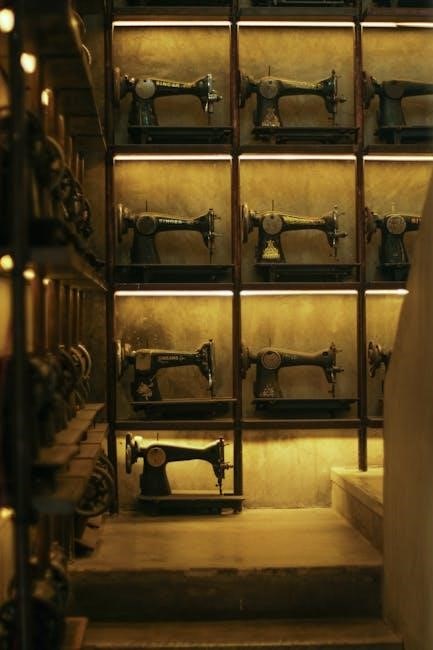
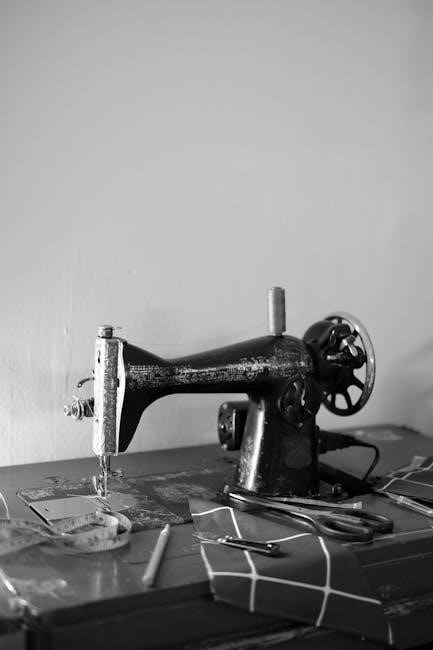
Vintage Singer sewing machines, while diverse in models, share fundamental components. Understanding these parts is essential for maintenance and repair, often detailed within original manuals. The handwheel controls the stitching speed and is vital for precise operation. The bobbin winder mechanism, frequently illustrated in manuals, ensures a consistently filled bobbin for smooth sewing.
Needle and presser foot systems are crucial for fabric handling and stitch formation. Manuals provide guidance on selecting the correct needle and foot for various fabrics and techniques. Familiarizing yourself with these components, as described in the documentation, empowers you to troubleshoot issues and maintain your machine effectively.
The Handwheel and its Function
The handwheel is a prominent feature on any Singer sewing machine, old or new, and its operation is thoroughly explained in most manuals. Rotating the handwheel clockwise moves the needle up and down, creating stitches. Manuals emphasize the importance of controlled rotation for precision, especially during intricate work or when starting and stopping.
Turning the handwheel towards you (counter-clockwise) lowers the needle, useful for precise positioning. Original instructions often detail how to use the handwheel for manual control, bypassing the foot pedal. Understanding this function, as outlined in the manual, is key to mastering your vintage Singer and achieving consistent, high-quality stitching.
The Bobbin Winder Mechanism
Singer sewing machine manuals dedicate significant attention to the bobbin winder, a crucial component for consistent stitching. Instructions detail how to properly engage the winder, ensuring even thread distribution onto the bobbin. Older models often feature a lever-activated system, requiring precise positioning as illustrated in the diagrams within the manual.
Troubleshooting bobbin winding issues is also covered; manuals address problems like uneven winding or the mechanism failing to engage. Proper tension adjustment is key, and the manual provides guidance on achieving this. Mastering the bobbin winder, as described in your machine’s specific manual, is essential for smooth and reliable sewing performance.
Needle and Presser Foot Systems
Singer sewing machine manuals thoroughly explain the intricacies of needle and presser foot operation. Detailed illustrations demonstrate correct needle insertion, emphasizing the importance of the needle’s eye facing the correct direction. Manuals specify appropriate needle types for various fabrics, crucial for preventing damage and achieving optimal stitch quality.
Presser foot adjustments are also covered, detailing how to raise and lower the foot and adjust pressure for different materials. Understanding the interplay between needle position and presser foot pressure is vital for consistent feeding. The manual will guide you through changing feet for specialized tasks, like zipper insertion or buttonholes, enhancing your machine’s versatility.
Troubleshooting Common Singer Sewing Machine Issues
Vintage Singer sewing machine manuals are invaluable when encountering operational difficulties. They systematically address frequent problems like thread breakage, often linked to incorrect threading or needle selection. Manuals provide step-by-step guidance for re-threading the machine, ensuring proper tension and loop formation.
Stitching issues, such as skipped stitches or looping, are also covered, with explanations of potential causes like dull needles or incorrect fabric/thread combinations. Electrical concerns, while less common, are addressed with basic troubleshooting steps, emphasizing safety precautions. Referencing the manual helps diagnose and resolve issues, preventing costly repairs and preserving the machine’s functionality.
Thread Breakage Problems
Singer sewing machine manuals dedicate significant attention to resolving thread breakage, a common issue with vintage models. They detail the importance of correct threading, emphasizing the path the thread must follow to avoid friction points. Manuals illustrate proper bobbin winding, as an unevenly wound bobbin can cause tension imbalances leading to breaks.
Troubleshooting guides within the manuals highlight the necessity of using the correct needle size for the fabric weight and thread type. Dull or damaged needles are identified as frequent culprits. Furthermore, manuals explain how to adjust thread tension, a crucial step in preventing breakage. Following these instructions ensures smooth, reliable stitching and minimizes frustration.
Stitching Issues (Skipped Stitches, Looping)
Singer sewing machine manuals thoroughly address stitching imperfections like skipped stitches and looping, common challenges for users of vintage machines. They emphasize the critical role of the needle, detailing proper insertion and ensuring it’s the correct type for the fabric. Manuals illustrate how to check the needle’s eye for burrs or damage, which can disrupt the stitch formation.
Troubleshooting sections within these guides focus on bobbin issues – correct insertion, winding, and thread path. Incorrect tension settings are also highlighted as a primary cause, with detailed instructions on adjustments. Furthermore, manuals explain the importance of synchronizing the needle and hook timing, a more advanced adjustment for consistent stitch quality.
Motor and Electrical Concerns
Vintage Singer sewing machine manuals dedicate sections to motor and electrical safety, crucial given the age of these machines. They often include diagrams illustrating the wiring setup and emphasize the importance of avoiding water or damage to the cords. Manuals frequently advise against attempting repairs if you’re unfamiliar with electrical work, recommending professional servicing instead.
Troubleshooting guides detail common issues like motors not starting, running slowly, or making unusual noises. They explain how to check the power switch, belt tension, and brush condition within the motor. Additionally, manuals may offer basic cleaning instructions for the motor components, but always with a strong warning to disconnect power first. Remember, safety is paramount when dealing with vintage electrical systems.
Singer Machine Maintenance and Oil Points
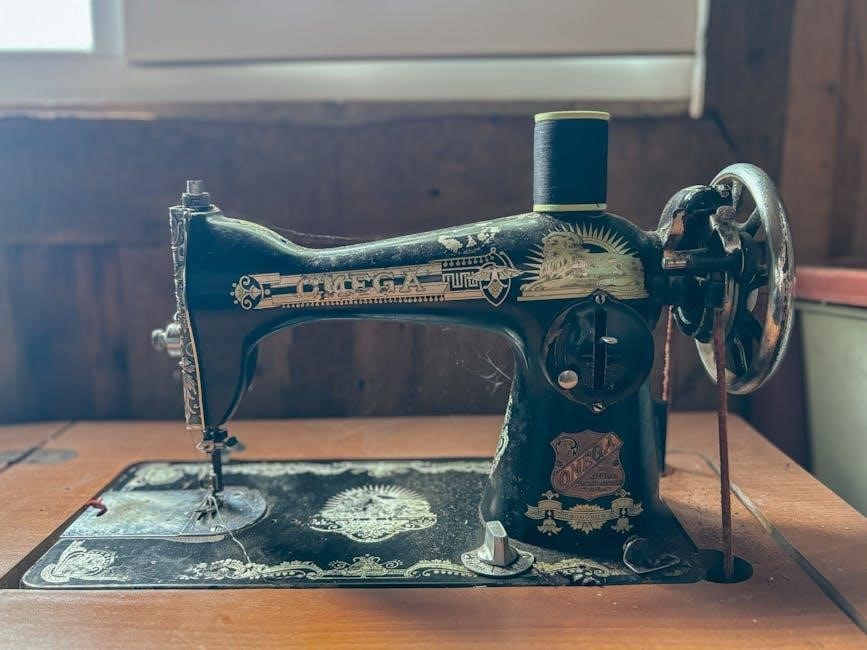
Old Singer sewing machine manuals meticulously detail regular maintenance, emphasizing the vital role of oiling. They illustrate specific oil points – often with diagrams – showing where to apply oil to ensure smooth operation. These points include the bobbin winder, shuttle hook, and various moving parts within the machine head. Manuals consistently recommend using a high-quality sewing machine oil, avoiding alternatives like household oils.
Proper lubrication prevents wear and tear, reducing friction and ensuring consistent stitch quality. The frequency of oiling varies depending on usage, but manuals generally advise oiling before each sewing session or after several hours of use. Ignoring this maintenance can lead to significant mechanical issues, highlighting the importance of following the manual’s guidance.
Cleaning and Preserving Your Vintage Singer
Vintage Singer sewing machine manuals often include sections on cleaning and preservation, crucial for maintaining their longevity and aesthetic appeal. They recommend regular removal of lint and dust from the bobbin area and internal mechanisms, using a brush or compressed air. Avoid using harsh chemicals or abrasive cleaners, as these can damage the finish or delicate parts.
For the exterior, manuals suggest gentle cleaning with a soft cloth and mild soap solution. To preserve the finish, consider applying a light coat of wax or polish specifically designed for antique machines. Proper storage is also vital; covering the machine when not in use protects it from dust and sunlight, preventing fading and deterioration. Following these guidelines ensures your Singer remains a beautiful and functional heirloom.
Downloading Digital Copies of Singer Manuals
Accessing digital copies of Singer sewing machine manuals has become increasingly important, especially after the removal of resources from sites like parts.singerco.com. Fortunately, several online archives and communities offer downloadable manuals. Websites like the Manual Library and various online forums host a collection of PDF files, including manuals for popular models like the 31-15 and 99/99K.
Users report success finding manuals through dedicated vintage Singer parts websites, such as vintagesingerparts.com, recommended by Singer themselves when contacted. Be aware that file availability can fluctuate, and some manuals may require registration or contribute to a forum to access. Always scan downloaded files with antivirus software before opening them, ensuring a safe and reliable experience.
Resources for Vintage Singer Parts
Maintaining a vintage Singer sewing machine often requires sourcing replacement parts. Vintagesingerparts.com is frequently cited as a key resource, even recommended directly by Singer customer support when the official parts website was discontinued. Numerous online retailers specialize in antique sewing machine components, offering everything from needles and bobbins to more complex mechanisms.
Online forums and communities dedicated to Singer enthusiasts are invaluable for locating hard-to-find parts, as members often trade or sell components amongst themselves. eBay and other auction sites can also yield results, but careful inspection of listings is crucial. Remember to verify compatibility with your specific model number before purchasing any parts, ensuring a proper fit and function.
Singer 31-15 Model Specifics
The Singer 31-15 is a popular, yet sometimes challenging, model to find documentation for. Many users have recently reported difficulty locating the official instruction manual after Singer removed the parts.singerco.com page. Fortunately, resourceful individuals have archived copies and shared them online. Specifically, searches often lead to downloadable PDF versions of the “Instructions for using and adjusting Singer sewing machine 31-15”.
This model is known for its robust construction and versatility. Understanding its unique adjustments requires careful study of the available manuals. Pay close attention to sections detailing threading, bobbin winding, and stitch regulation, as these are common areas needing attention for optimal performance. Proper maintenance, guided by the manual, ensures longevity.
Singer 99/99K Model Specifics (1950s)
The Singer 99 and 99K, manufactured in the 1950s, represent a pinnacle of Singer’s domestic machine design. Finding a dedicated manual for these models is often successful, with numerous digital copies readily available as PDF files. These manuals detail the operation of both the standard 99 and the 99K (kilowatt) variant, which often featured slight cosmetic differences.
Users should note that the 1950s manuals provide detailed instructions on utilizing the machine’s capabilities, including stitch selection and attachment usage. Particular attention should be paid to the sections on tension adjustments and cleaning procedures, crucial for maintaining the smooth operation of these vintage machines. Accessing these resources is vital for restoration and continued use.
Adjusting Stitch Length and Width
Vintage Singer manuals dedicate specific sections to controlling stitch parameters, crucial for achieving desired sewing results. Typically, stitch length is adjusted via a dial or lever located on the machine’s front or side, allowing selection from short stitches for delicate fabrics to longer stitches for heavier materials. Width adjustment, applicable to zigzag models like the 99K, is similarly controlled, influencing the breadth of the stitch pattern;
Understanding these controls requires referencing the specific manual for your Singer model, as mechanisms vary. Proper adjustment ensures balanced stitch formation and prevents issues like puckering or thread breakage. Experimentation with different settings, guided by the manual, is key to mastering stitch control on these classic machines.
Understanding Different Feet and Attachments
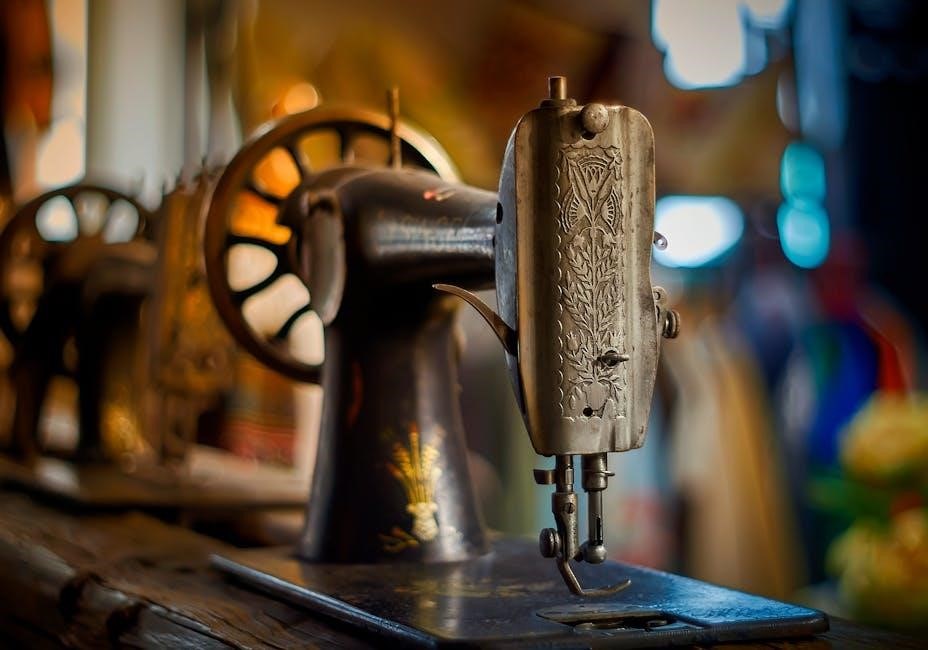
Singer sewing machine manuals extensively detail the array of presser feet and attachments designed to expand the machine’s capabilities. Beyond the standard zigzag foot, manuals illustrate specialized feet for tasks like buttonholes, darning, piping, and even embroidery. Attachments, such as edge stitchers and rufflers, further broadened the machine’s functionality, enabling complex decorative work.
Original manuals provide clear diagrams and instructions for correctly installing and utilizing each foot and attachment. Proper usage is vital for achieving optimal results and preventing damage to the machine or fabric. Locating these original attachments can be a rewarding pursuit for vintage Singer enthusiasts, unlocking the full potential of their machines.
Restoring the Finish and Aesthetics
Vintage Singer sewing machines were often beautifully finished, featuring ornate decals, polished wood bases, and gleaming metalwork. Restoring this original beauty is a common goal for collectors. Manuals, while not directly focused on aesthetics, provide insight into the original finishes and materials used. Careful cleaning with appropriate products is crucial, avoiding harsh chemicals that can damage decals.
Decal restoration is a specialized skill, often requiring professional assistance. Repainting or refinishing should be approached cautiously, aiming to replicate the original appearance as closely as possible. Preserving the machine’s aesthetic appeal enhances its value and celebrates the craftsmanship of a bygone era, honoring its historical significance.
The Impact of the Singer, Pfaff, and Husqvarna Merger on Manual Availability
The merger of Singer, Pfaff, and Husqvarna significantly disrupted access to vintage Singer sewing machine manuals. Previously, websites like parts.singerco.com hosted a substantial archive of downloadable manuals. However, following the consolidation, these resources were removed, creating challenges for enthusiasts seeking instructions for repair and maintenance.
Users report being directed to alternative sites like vintagesingerparts.com, but availability remains limited. The transition has prompted a greater reliance on online forums and communities for sharing scanned copies and knowledge. This situation underscores the importance of preserving existing manuals and fostering collaborative efforts to maintain access to this valuable information for future generations of Singer machine owners.
Online Forums and Communities for Singer Enthusiasts
Dedicated online forums and communities have become invaluable resources for owners of vintage Singer sewing machines, particularly given the recent challenges in accessing official manuals. These platforms facilitate the sharing of scanned manuals, troubleshooting advice, and parts sourcing information. Enthusiasts actively contribute their knowledge, assisting others with machine identification, repair, and restoration.
Active groups provide a space to ask questions, share experiences, and connect with fellow Singer aficionados. Members often upload high-quality scans of original manuals, filling the gaps left by the removal of resources from official websites. These communities represent a vital network for preserving the legacy of Singer machines and supporting their continued use.
Safety Precautions When Using Vintage Machines
Operating vintage Singer sewing machines requires mindful attention to safety, as these machines lack modern safety features. Always ensure the machine is unplugged during threading, bobbin winding, or any maintenance. Inspect the power cord for fraying or damage before each use, and never operate a machine with a compromised cord. Be cautious of moving parts, particularly the needle and handwheel, keeping fingers clear during operation.
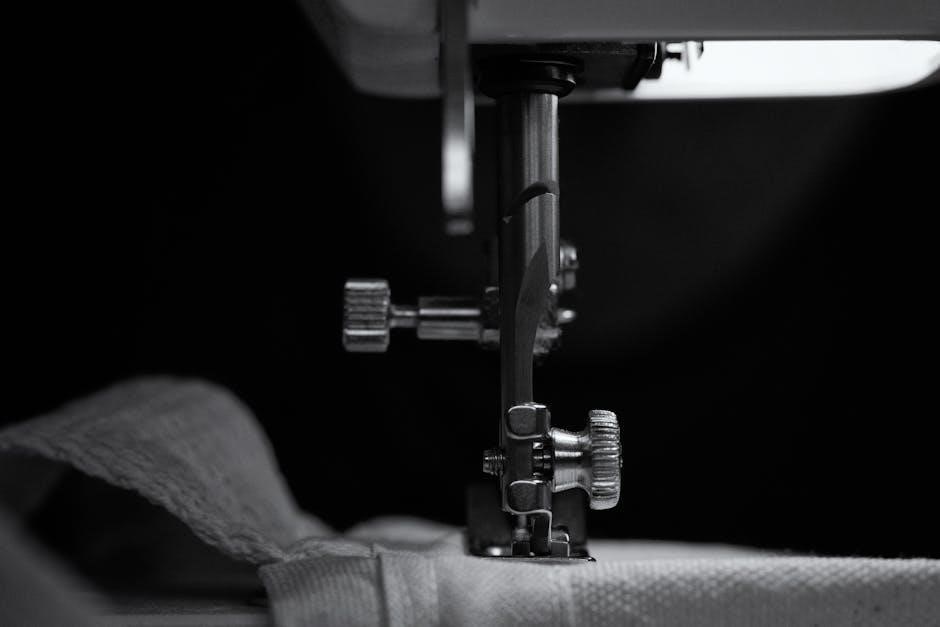
Regularly check the machine’s wiring for deterioration, and if unsure, consult a qualified electrician. Avoid forcing any mechanism, as this could lead to breakage or injury. Proper lubrication, as detailed in the manual (when available), is crucial for smooth operation and preventing overheating. Remember these machines are often over a century old, requiring respectful and careful handling.
Converting Modern Patterns for Vintage Singer Machines
Adapting contemporary sewing patterns for vintage Singer machines often necessitates adjustments due to differences in ease allowances and machine capabilities. Modern patterns frequently assume features like automatic buttonholes or stretch stitches, absent on older models. Carefully review pattern instructions, identifying techniques requiring these features and devising alternative solutions – hand-worked buttonholes, for example.
Consider the stitch width limitations of your Singer; some vintage models have a narrower maximum width. Test stitch settings on scrap fabric before cutting into your fashion fabric, ensuring compatibility. Adjust seam allowances if needed, as vintage patterns sometimes differ from modern standards. Utilize online resources and forums dedicated to vintage sewing for guidance and shared experiences in pattern conversion.