Diamond Stud Earring Size Guide ― An Overview
Navigating diamond stud earring sizes requires understanding carat total weight (CTW) and how it relates to visual appearance. This guide simplifies selecting the perfect pair, considering shape and millimeter size.
Understanding Carat Total Weight (CTW)
Carat Total Weight (CTW) represents the combined weight of both diamonds in a pair of stud earrings, not the weight of a single stone. It’s a crucial factor when determining the overall size and sparkle of your earrings. For example, a 1.0 CTW pair signifies each diamond weighs 0.5 carats.
Understanding CTW is vital because it directly impacts the visual impact of the earrings. A higher CTW generally means larger, more noticeable diamonds. However, CTW doesn’t tell the whole story; diamond shape and cut also significantly influence perceived size and brilliance. When considering your options, remember that CTW is a convenient way to compare the overall size of different earring pairs, simplifying the selection process.
The Importance of Diamond Size
Diamond size is paramount when choosing stud earrings, influencing both aesthetic appeal and how the earrings complement your features. Larger diamonds create a bolder statement, while smaller ones offer a more subtle elegance. The ideal size depends on personal preference, lifestyle, and earlobe size.
Beyond aesthetics, size impacts the perceived quality and value of the earrings. Larger diamonds, all other factors being equal, are typically more expensive. Understanding the relationship between carat weight, millimeter size, and overall appearance is key to making an informed decision. Selecting the right size ensures your diamond studs will be cherished for years to come, reflecting your individual style.

Choosing the Right Diamond Size for You
Selecting diamond studs involves balancing personal style, budget, and practical factors like earlobe size; Consider lifestyle and desired impact when choosing carat weight.
Factors Influencing Diamond Size Choice
Several key elements influence the ideal diamond stud size. Personal preference is paramount; some prefer a subtle sparkle, while others desire a bolder statement. Budget plays a significant role, as larger diamonds command higher prices.
Beyond these, consider the recipient’s lifestyle. An active individual might favor smaller, more secure studs, while someone attending frequent formal events might appreciate larger, more glamorous stones.
Diamond quality (color and clarity) also impacts perceived size. A higher-quality diamond will exhibit more brilliance, potentially making a smaller stone appear larger. Finally, understanding carat total weight (CTW) is crucial – it represents the combined weight of both earrings, not individual stone weight.
Consideration of Ear Lobe Size
Ear lobe size significantly impacts how diamond studs appear. Larger lobes can comfortably accommodate and showcase larger diamonds without looking disproportionate. Conversely, smaller lobes may be overwhelmed by overly large studs, appearing bulky or uncomfortable.
The setting style also plays a role. Prong settings can create the illusion of greater size, while bezel settings offer a more secure, streamlined look.
It’s essential to visualize the proportion. A good rule of thumb is to ensure the diamond’s diameter complements the lobe’s width. Consider the overall balance and aesthetic – the studs should enhance, not overshadow, the ear’s natural shape. Ultimately, comfort and a flattering appearance are key.
Age and Lifestyle Considerations
Diamond stud size should align with age and daily activities. Younger individuals or those with active lifestyles might prefer smaller, more secure studs – around 0.5 to 1.0 CTW – for everyday wear, minimizing snagging or loss.
As one matures, larger sizes (1.5 CTW or above) can reflect personal style and sophistication. Professionals may opt for classic, versatile sizes like 1.0 CTW, suitable for both work and social events.
Consider practicality. Frequent travelers or those in hands-on professions should prioritize secure settings and manageable sizes. Ultimately, the ideal size balances personal preference with comfort and lifestyle demands.

Common Diamond Stud Sizes & Their Appearance
Explore popular carat weights to visualize diamond stud earring sizes. From subtle sparkle to statement pieces, discover how different CTW impacts overall look and feel.
0.5 Carat Total Weight (CTW) ― A Subtle Sparkle
A 0.5 CTW diamond stud earring pair offers a delicate and understated elegance, perfect for everyday wear. These studs typically measure around 3.0-3.2mm in diameter, providing a noticeable yet subtle sparkle that complements any outfit without being overly flashy.
This size is an excellent choice for first-time diamond earring buyers or those who prefer a minimalist aesthetic. They are incredibly versatile, suitable for both casual and more formal occasions. The 0.5 CTW provides a classic look without a significant investment, making them a popular and accessible option. They are ideal for individuals seeking a refined touch of brilliance.
Consider these studs if you want a comfortable and wearable size that adds a touch of sophistication to your style.
1.0 Carat Total Weight (CTW) ― Classic & Versatile
The 1.0 CTW diamond stud earring pair represents a timeless and incredibly versatile choice, striking a perfect balance between size and brilliance. Each diamond typically measures around 5.0-5.2mm, offering a noticeable sparkle that enhances any look without being ostentatious.
This size is a popular selection for those seeking a classic and sophisticated appearance. They are suitable for a wide range of occasions, from daily wear to special events. The 1;0 CTW provides a substantial presence on the ear, offering a beautiful and eye-catching sparkle.
These studs are a fantastic investment, offering enduring style and value. They are a go-to choice for many, providing a refined and elegant touch to any ensemble.
1.5 Carat Total Weight (CTW) ― Noticeable Elegance
A 1.5 CTW diamond stud earring pair exudes noticeable elegance and sophistication, making a more significant statement than the 1.0 CTW option. Each diamond generally measures around 5.7-5.9mm, providing a beautiful sparkle and enhanced visibility. This size is ideal for those desiring a touch of glamour without being overly extravagant.
These studs offer a refined and luxurious look, perfect for special occasions or adding a touch of brilliance to everyday wear. The increased size delivers a more prominent presence on the ear, catching the light beautifully.
Choosing 1.5 CTW demonstrates a confident and stylish aesthetic, offering a balance between classic appeal and modern flair.
2.0 Carat Total Weight (CTW) ― Statement Piece
A 2.0 Carat Total Weight (CTW) diamond stud earring pair definitively makes a statement, radiating luxury and confidence. Each diamond typically measures around 6.5-6.7mm, offering substantial sparkle and a prominent presence. This size is favored by those who want their earrings to be a focal point of their look.
These studs are perfect for special events, celebrations, or anyone who enjoys a bold and glamorous aesthetic. The larger size commands attention and adds a touch of undeniable sophistication.
Opting for 2.0 CTW signifies a bold fashion choice, showcasing a refined taste and a desire to stand out from the crowd with dazzling brilliance.
Diamond Shape and Perceived Size
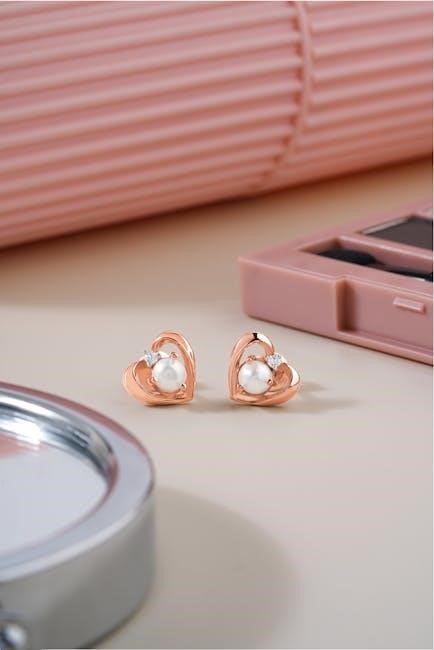
Diamond shape significantly impacts how large studs appear; certain cuts, like princess, can look bigger than round cuts of equal carat weight.
Round Brilliant Cut ― Maximizing Sparkle & Size
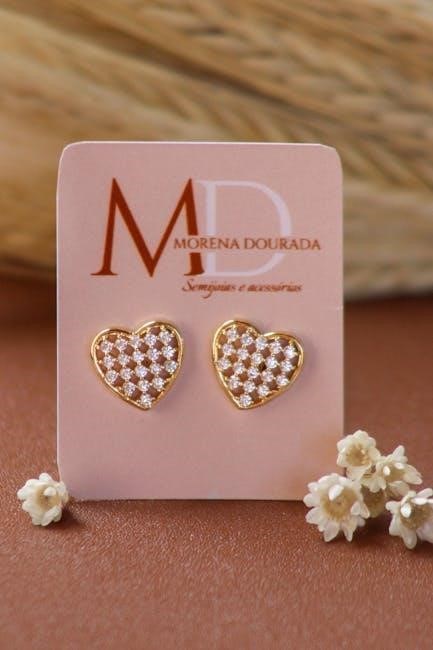
The round brilliant cut is the most popular diamond shape for stud earrings, celebrated for its exceptional brilliance and fire. Its faceting is specifically designed to maximize light return, creating a dazzling sparkle that enhances the perceived size. Because of its classic symmetry, a round brilliant diamond tends to appear larger than some other shapes with the same carat weight.
When choosing round brilliant studs, consider that the cut quality is paramount. An excellent cut ensures optimal light performance, making the diamond appear brighter and more substantial. This shape is incredibly versatile, suiting all earlobe sizes and skin tones. It’s a timeless choice that offers a beautiful balance between sparkle and perceived size, making it a favorite for those seeking a classic and elegant look.
Princess Cut ― Square Shape, Larger Appearance
The princess cut diamond, characterized by its square shape and sharp, clean lines, offers a modern and sophisticated aesthetic for stud earrings. Due to its shape, the princess cut often appears larger than a round brilliant of the same carat weight, as it spreads its weight across a broader surface area. This makes it an excellent choice for those desiring a noticeable yet elegant look.
However, it’s crucial to consider that the princess cut’s brilliance relies heavily on precise cutting. A well-cut princess diamond will exhibit exceptional sparkle, but a poorly cut stone may appear less bright. The square shape also complements certain face shapes better than others, offering a striking visual impact. It’s a fantastic alternative to the round brilliant, providing a contemporary twist with a maximized visual size;

Other Diamond Shapes (Emerald, Oval, etc.)
Beyond round and princess cuts, various diamond shapes offer unique aesthetics for stud earrings, each impacting perceived size and brilliance. Emerald cuts, with their rectangular form and step-cut facets, present a sophisticated, vintage appeal, though they may appear smaller than brilliant cuts for the same carat weight. Oval cuts, conversely, create an elongated appearance, potentially making earlobes seem longer and more slender.
Other shapes like marquise or pear can also offer a larger surface area for their carat weight, but require careful consideration of setting and earlobe shape. Ultimately, choosing a less traditional shape allows for personalization, but understanding how each shape interacts with light and perceived size is vital for achieving the desired look.

Understanding Millimeter (mm) Size
Millimeter size provides a concrete measurement of diamond dimensions, crucial for visualizing scale beyond carat weight. Converting CTW to mm clarifies the actual diamond size.
Converting Carat Weight to Millimeters
Understanding the relationship between carat weight and millimeter size is essential for accurately visualizing diamond stud earrings. Carat weight measures diamond weight, while millimeters define its physical dimensions – diameter for round cuts, and length/width for fancy shapes.
Generally, a 1.0 carat round diamond measures approximately 6.5mm in diameter. However, this isn’t a fixed rule, as diamond cut and proportions influence size. A well-cut diamond appears larger than a poorly cut one of the same carat weight. For example, a 0.5 carat round diamond typically measures around 5.3mm, while a 1.5 carat diamond is roughly 7.3mm.
It’s important to remember that millimeter size is a more reliable indicator of visual size than carat weight alone. Using a millimeter size guide helps compare diamonds of different shapes and cuts, ensuring you select earrings that complement your ear lobe size and personal preference.
Millimeter Size Guide for Different Carat Weights
Here’s a general guide to diamond millimeter sizes based on carat weight, primarily for round brilliant cuts. Keep in mind these are approximate, and variations exist based on cut quality and specific diamond proportions.
- 0.25 Carat: Approximately 3.8 ― 4.0 mm
- 0.5 Carat: Around 5.1 ― 5.3 mm
- 0.75 Carat: Roughly 6.0 ⎻ 6.2 mm
- 1.0 Carat: Typically 6.3 ― 6.5 mm
- 1.5 Carats: About 7.3 ― 7.5 mm
- 2.0 Carats: Approximately 8.1 ⎻ 8.3 mm
For fancy shapes like princess, emerald, or oval, millimeter dimensions will differ for length and width. This guide provides a starting point; always request specific measurements from the jeweler to visualize the actual size before purchasing. Considering the millimeter size alongside carat weight ensures a satisfying and proportional appearance on your ears.

Single vs. Pair Diamond Studs ⎻ Size Considerations
When replacing a lost stud or mixing sizes, precise matching is crucial. Consider carat weight, millimeter size, and certification for a seamless look.
Replacing a Lost Diamond Stud
Losing a diamond stud can be frustrating, but finding a suitable replacement doesn’t have to be daunting. The key is accuracy – replicating the size and characteristics of the original. Begin by checking any documentation you have, such as appraisals or purchase receipts, for details on carat weight, cut, color, and clarity.
If documentation is unavailable, carefully measure the remaining stud in millimeters. This provides a crucial reference point. Consider the diamond’s shape; round brilliant and princess cuts are common. When sourcing a replacement, prioritize GIA certification to ensure accurate size reporting and quality.
Don’t hesitate to consult with a reputable jeweler who can assess the remaining stud and guide you toward a perfect match. They can also help determine if a lab-grown diamond is a viable and cost-effective option for replacement.
Choosing Different Sizes for Each Ear
While typically worn as a matching pair, intentionally selecting different diamond stud sizes for each ear is a growing trend. This asymmetrical style allows for personalized expression and can be surprisingly chic. However, careful consideration is crucial to achieve a balanced look.
A common approach involves wearing a larger diamond in one ear and a smaller one in the other, creating a subtle yet noticeable difference. Consider your ear lobe size and shape when determining the size disparity.
Experiment with variations in carat weight – for example, a 1.0 CTW stud paired with a 0.75 CTW stud. Ensure the overall aesthetic complements your face and personal style. A jeweler can offer guidance on achieving harmonious asymmetry.
Lab-Grown vs. Natural Diamonds ⎻ Size Impact
Lab-grown diamonds offer a cost-effective alternative, potentially allowing for a larger carat weight for the same budget as natural diamonds. Size isn’t affected!
Are Lab-Grown Diamonds Smaller for the Same Carat Weight?
A common misconception is that lab-grown diamonds are smaller than natural diamonds of the same carat weight. This is fundamentally untrue; a carat is a unit of weight, not size. Therefore, a one-carat lab-grown diamond and a one-carat natural diamond will weigh exactly the same.
However, subtle differences can exist in their physical dimensions. These variations stem from differences in how the crystals grow. Natural diamonds form over billions of years under immense pressure, resulting in unique growth patterns. Lab-grown diamonds, created in controlled environments, often exhibit more uniform crystal structures.
This can sometimes lead to a lab-grown diamond appearing slightly larger in millimeter size for the same carat weight, but this is not a consistent rule. The cut quality significantly impacts the perceived size, regardless of origin. Ultimately, the carat weight remains the definitive measure of diamond size, and lab-grown diamonds deliver equal weight for potentially lower costs.
Cost Considerations Based on Size and Origin
Diamond stud earring costs are heavily influenced by both size (carat weight) and origin (natural vs. lab-grown). Generally, price increases exponentially with carat weight; a 2.0 CTW pair will be significantly more expensive than a 1.0 CTW pair, even with identical color and clarity grades.
Lab-grown diamonds typically offer a more budget-friendly option, often costing 30-40% less than comparable natural diamonds. This price difference allows you to potentially purchase a larger carat weight or higher quality lab-grown diamond within the same budget.
However, remember that natural diamonds retain a perceived value and prestige that lab-grown diamonds currently do not. Consider your priorities – if budget is paramount, lab-grown diamonds are an excellent choice. If you prioritize rarity and traditional value, natural diamonds may be preferred, despite the higher cost.

GIA Certification and Size Accuracy
GIA certification ensures accurate diamond size reporting, verifying carat weight and other crucial characteristics. This independent grading provides confidence in your purchase.
Ensuring Accurate Diamond Size Reporting
Accurate diamond size reporting is paramount when investing in diamond stud earrings. Independent gemological laboratories, like the Gemological Institute of America (GIA), provide unbiased assessments of a diamond’s characteristics, including its carat weight. A GIA report details precise measurements, ensuring you receive diamonds that match the stated specifications.
This detailed reporting minimizes discrepancies and protects against misrepresentation. It’s crucial to request a GIA report for any significant diamond purchase, as it offers assurance of authenticity and accurate grading. The report will confirm the diamond’s dimensions in millimeters, alongside its carat weight, allowing for a clear understanding of the stone’s size. Verification through certification is a cornerstone of a confident diamond buying experience.
The Role of Certification in Diamond Purchase
Diamond certification, particularly from GIA, plays a vital role in ensuring a transparent and trustworthy purchase. A certificate acts as a diamond’s “fingerprint,” detailing its 4Cs – Cut, Clarity, Color, and Carat weight – assessed by an independent expert. This unbiased evaluation safeguards buyers against inflated claims or misrepresented quality.
Certification provides peace of mind, verifying the diamond’s authenticity and value. It’s especially crucial for online purchases where physical inspection isn’t possible. GIA certification confirms accurate size reporting, protecting your investment. When selecting diamond studs, prioritize certified stones to guarantee you’re receiving the quality and size you expect, fostering a confident and informed buying decision.