Readers often search for a PDF of the novel‚ hoping to access the story conveniently․ This section introduces the context‚ explaining why the digital format is popular and how it fits into modern reading habits․
It offers easy sharing‚ annotation‚ and wider reach for readers worldwide․!!
Background of the Novel
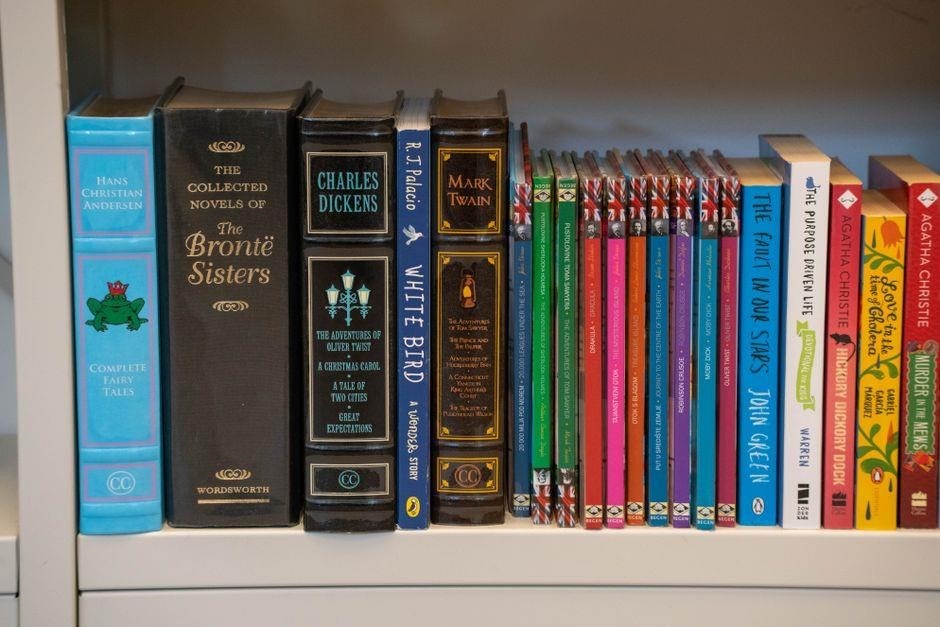
John Green’s 2012 bestseller‚ “The Fault in Our Stars‚” follows teenage cancer patients Hazel Grace Lancaster and Augustus Waters as they navigate love‚ loss‚ and the complexities of mortality․ Their story begins when Hazel meets Augustus at a support group‚ sparking a friendship that quickly deepens into romance․ The novel’s narrative voice‚ a blend of humor and poignancy‚ captures the raw emotions of young adults confronting illness․ Green weaves scientific detail with lyrical prose‚ making the medical aspects accessible while preserving the emotional weight of the characters’ experiences․ The book explores themes of identity‚ legacy‚ and the search for meaning amid suffering‚ resonating with readers of all ages․ Its success led to a film adaptation‚ further cementing its place in contemporary literature and sparking discussions about representation of chronic illness in media․ The novel’s structure‚ alternating between present action and reflective flashbacks‚ allows readers to see the evolution of the protagonists’ relationship and their personal growth․ Green’s use of footnotes and asides adds a playful layer that mirrors the characters’ coping mechanisms․ Critics praised the novel for its authentic dialogue and the way it balances humor with the gravity of its subject matter․ The book has earned numerous awards‚ including the Goodreads Choice Award for Best Fiction‚ and has been translated into multiple languages‚ broadening its global reach․ Its impact extends beyond literature‚ influencing how young adults perceive illness‚ encouraging empathy‚ and fostering conversations about mortality and hope․ The enduring popularity of the novel underscores its relevance and the universal appeal of its heartfelt narrative․
Readers often turn to PDF versions of “The Fault in Our Stars” for a blend of convenience‚ accessibility‚ and control over the reading experience․ PDFs preserve the original layout‚ typography‚ and formatting‚ allowing fans to enjoy the author’s precise visual design without distortion․ The format also supports annotations‚ highlighting‚ and note‑taking‚ which are essential for students and discussion groups who wish to dissect the novel’s themes of mortality‚ hope‚ and identity․ Moreover‚ PDFs can be easily shared within study circles or online communities‚ fostering collaborative analysis and peer support․ For many‚ the digital copy is a practical solution to limited physical book availability‚ especially in regions where the novel is not readily stocked․ The ability to download and store the book on multiple devices—laptops‚ tablets‚ or smartphones—provides flexibility for reading on the go‚ during commutes‚ or in quiet moments․ Additionally‚ PDFs often come with search functionality‚ enabling quick access to specific passages or quotes‚ which is invaluable for research or fan projects․ Finally‚ the widespread use of PDFs in academic settings means that educators can distribute the text to students in a consistent‚ easily managed format‚ ensuring that everyone has the same version for assignments and discussions․ All these factors contribute to the popularity of PDF versions among readers who value practicality and a faithful representation of the original work․
Availability of the PDF
PDFs of the novel appear on various platforms‚ ranging from official e‑book retailers to community‑shared sites․ Some offer free downloads‚ while others charge a fee․ Availability often fluctuates‚ so readers should verify source legitimacy before accessing the file․ Download responsibly․!!!
Official Sources
Readers looking for a legitimate PDF of the novel can turn to trusted outlets․ The publisher’s digital store sells the e‑book in PDF‚ ensuring proper formatting and DRM protection․ Major retailers such as Amazon Kindle‚ Apple Books‚ and Google Play Books also offer PDF versions through their e‑book libraries‚ providing secure downloads․ Public and university libraries now provide digital lending services via OverDrive or Libby‚ allowing patrons to borrow a PDF copy for a limited period․ The author’s official website may host a free or paid PDF download‚ often with bonus content․ When choosing an official source‚ verify the site uses HTTPS encryption and that the file size matches the expected length of the novel‚ reducing the risk of corrupted or incomplete downloads․ By selecting these trusted channels‚ readers support the creator and enjoy a safe‚ high reading experience․
Additionally‚ subscription services such as Scribd or Kindle Unlimited offer the novel as part of their catalog‚ granting temporary access to the PDF for subscribers․ These platforms provide a convenient way to read without purchasing‚ while still compensating the rights holders․ When accessing any official source‚ always confirm that the download link is legitimate by checking the URL domain and verifying that the file’s metadata matches the expected size and checksum․ This practice protects readers from malware․ and ensures that the reading experience remains uninterrupted today now
Unofficial Sources
While official outlets provide safe access‚ many readers still turn to unofficial channels for a free PDF․ These sites often host the novel through peer‑to‑peer networks‚ file‑hosting services‚ or anonymous forums․ Users can download the PDF directly‚ sometimes after a short wait or a captcha․ The biggest risk with these sources is malware: the file may be bundled with spyware‚ ransomware‚ or adware that compromises the device․ In addition‚ the PDF might be corrupted or incomplete‚ missing chapters or containing garbled text․ Some sites offer “clean” versions‚ but the authenticity of the content cannot be guaranteed․ Another concern is that the file size may be smaller than the original‚ indicating that parts of the novel were omitted or that the file has been compressed excessively‚ which can degrade the reading experience․ Because of these risks‚ it is advisable to scan any downloaded file with a reputable antivirus program before opening it․ Furthermore‚ using a sandboxed environment or a virtual machine can isolate the file from the rest of the system․ Finally‚ readers should be aware that downloading from unofficial sources is illegal in many jurisdictions‚ and it undermines the author’s and publisher’s ability to earn revenue․ While the temptation to obtain a free copy is understandable‚ the potential consequences often outweigh the short‑term benefit․ Consequently‚ many readers opt for legal alternatives or wait for official promotions that offer the PDF at a reduced price or for free․ 2026

Legal Considerations
Copyright protects the novel‚ so downloading or sharing the PDF without permission violates law․ Fair use may allow short excerpts for critique‚ but full copies are prohibited․ Always seek licensed sources to respect the author’s rights․ Legal compliance protects art․
Copyright Law Overview
Copyright law protects original works‚ granting creators exclusive rights to reproduce‚ distribute‚ and display their creations․ In the United States‚ the Copyright Act of 1976‚ as amended‚ applies automatically upon fixation of a work in a tangible medium․ This means that when an author writes a novel and records it‚ the text is protected without the need for registration‚ though registration provides additional legal benefits․ The law applies to all forms of expression‚ including printed books‚ digital files‚ and electronic copies․ For a novel such as “The Fault in Our Stars‚” the author and publisher hold the copyright‚ and any reproduction—whether printing a physical copy or creating a PDF—requires permission․ Unauthorized copying or distribution is considered infringement‚ which can lead to civil penalties‚ statutory damages‚ or even criminal charges in severe cases․ The law also establishes a duration of protection‚ typically the life of the author plus 70 years‚ after which the work enters the public domain and can be freely used․ While the law is designed to incentivize creativity‚ it also balances public access by allowing certain uses‚ such as libraries and educational institutions‚ to make copies under specific conditions․ Understanding these principles helps readers and distributors respect the rights of creators while navigating the digital landscape․ This framework protects authors while allowing readers to enjoy the work responsibly for all!!!
Fair Use Clauses
Fair use is a legal doctrine that allows limited use of copyrighted material without permission for purposes such as criticism‚ comment‚ news reporting‚ teaching‚ scholarship‚ or research․ The doctrine is codified in 17 U․S․C․ § 107 and is evaluated through four factors: purpose and character of use‚ nature of the work‚ amount used‚ and effect on market․ Non‑commercial‚ transformative uses—like a brief excerpt in a review—are more likely to be deemed fair․ However‚ using an entire PDF of a novel for personal reading does not meet the amount or market impact criteria․ Scholars may quote short passages under fair use‚ but full‑text distribution is generally prohibited․ Courts consider the purpose: educational settings that justify limited excerpts‚ whereas commercial sites that host full PDFs are unlikely to be protected․ The nature of the work matters; factual or nonfiction works are more favorably treated than highly creative works․ The amount used should be the minimum necessary to achieve the purpose; copying a single chapter is excessive if a summary suffices․ Finally‚ the effect on the market is crucial—if the PDF could replace the original book‚ it is likely infringement․ In practice‚ fair use is a defense‚ not a right‚ and must be proven in court․ Readers should err on the side of caution and seek authorized copies or consult legal counsel before distributing or using large portions of the text․ This balanced approach protects authors while allowing legitimate critique and scholarship․ Readers are urged to respect the author’s rights and support official releases․
Downloading the PDF Safely
Choose reputable sites‚ verify HTTPS‚ avoid pop‑ups‚ and scan downloads with antivirus․ Use a sandbox environment to open files‚ and keep your OS and security tools updated․ Protect your device and personal data while accessing digital copies securely․ Backup․
Using Trusted Websites
When searching for a PDF of a popular novel‚ the first step is to identify reliable sources that respect copyright and user safety․ Trusted websites typically have a clear privacy policy‚ secure HTTPS connections‚ and a history of providing legitimate content․ Look for platforms that are well‑known in the literary community‚ such as e․g․ sites‚ reputable e‑book retailers‚ or established digital libraries that have obtained proper licensing agreements․ These sites often offer multiple formats‚ including PDF‚ and provide user reviews or ratings that can help gauge the quality of the download․ Additionally‚ trusted sites usually include a disclaimer about the legal status of the material and may provide a direct link to the publisher’s official distribution channel․ By favoring these sources‚ you reduce the risk of encountering malware‚ corrupted files‚ or unauthorized copies that could lead to legal complications․ Always verify the domain name and check for SSL certificates before clicking any download link․ If the site prompts for a subscription or a purchase‚ ensure that the transaction is processed through a secure payment gateway․ Finally‚ keep a record of the source URL and any confirmation emails or receipts‚ as these can serve as proof of legitimate acquisition if needed․ This cautious approach not only protects your device but also supports the authors and publishers who rely on proper distribution channels for their work․
Scanning for Malware
Downloading a PDF from the internet can expose your computer to hidden threats․ Before opening the file‚ run a reputable antivirus scan to detect any embedded malware․ Many security suites automatically analyze attachments upon download‚ but manual verification adds an extra layer of safety․ Use a sandbox environment or a virtual machine to isolate the file‚ ensuring that any malicious code cannot compromise your main operating system․ If you do not have a dedicated sandbox‚ consider using online virus scanning services such as VirusTotal‚ which uploads the file to multiple engines and returns a comprehensive report․ Pay attention to the scan results: a single warning may indicate a false positive‚ but multiple detections across engines warrant caution․ If malware is detected‚ delete the file immediately and do not attempt to open it․ Additionally‚ keep your operating system‚ browsers‚ and PDF reader up to date‚ as updates often patch security vulnerabilities that could be exploited by malicious PDFs․ Enabling automatic updates ensures that you receive the latest protection against emerging threats․ Finally‚ practice safe browsing habits: avoid clicking on suspicious links‚ verify the source of the download‚ and use a reputable firewall to monitor outbound connections․ By combining antivirus scans‚ sandbox testing‚ and vigilant browsing‚ you can significantly reduce the risk of malware infection when accessing PDF files․
Remember to verify the source before downloading‚ daily software up to date to guard against threats!
Reading the PDF on Different Devices
On desktops‚ use Adobe Reader or Foxit for smooth scrolling and annotation․ Tablets benefit from touch-optimized apps like iBooks or Google PDF Viewer‚ offering zoom and note-taking․ Smartphones rely on light readers‚ ensuring quick access on the go․
Desktop and Laptop
When you open the PDF on a desktop or laptop‚ you can take advantage of larger screens and powerful software․ Popular readers like Adobe Acrobat Reader DC‚ Foxit Reader‚ and SumatraPDF allow you to zoom in and out‚ search text‚ and highlight passages․ The ability to annotate directly on the document makes it easier to keep track of favorite lines and personal reflections․ Many readers use the “bookmark” feature to jump between chapters quickly‚ which is especially handy for a novel with multiple sections․ Additionally‚ the ability to adjust the page layout to single or continuous scrolling can improve reading flow․ Some PDF viewers support a night mode or sepia tone‚ reducing eye strain during late‑night sessions․ If you have a large monitor‚ you can view multiple pages side by side‚ which helps compare scenes or track character development․ Finally‚ using keyboard shortcuts—such as “Ctrl+F” for find‚ “Ctrl+Shift+N” for a new window‚ or “Ctrl+Shift+O” for outline—can speed up navigation and make the reading experience more efficient․ Whether you’re working from a home office or a coffee shop‚ a well‑chosen PDF reader can turn your computer into a comfortable‚ interactive reading space․ By mastering these tools and settings‚ you can customize the reading experience to match your preferences‚ whether you prioritize speed‚ clarity‚ or a distraction‑free environment‚ ensuring that every page of the novel feels engaging and accessible and you can export notes to share with friends or study groups!
Tablets and Smartphones
Reading the PDF on a tablet or smartphone offers portability and convenience․ Most modern devices support native PDF viewers‚ but dedicated apps such as Adobe Acrobat Reader‚ Foxit MobilePDF‚ or the built‑in iOS/Android viewer provide enhanced features․ Touch gestures allow you to pinch‑to‑zoom‚ swipe between pages‚ and tap to bring up a toolbar with search‚ bookmark‚ and annotation tools․ The ability to highlight text‚ add sticky notes‚ and underline passages is invaluable for tracking plot twists or memorable quotes․ For larger tablets‚ you can enable split‑screen mode to view two pages side by side‚ which is useful for comparing scenes or noting character interactions․ If you prefer a more immersive experience‚ full‑screen mode hides the status bar and navigation controls‚ letting the story take center stage․ Some readers use the “reading view” feature‚ which removes headers‚ footers‚ and other distractions‚ presenting a clean‚ single‑column layout․ Additionally‚ cloud synchronization—via services like Google Drive‚ OneDrive‚ or Dropbox—ensures that your bookmarks and annotations are saved across devices‚ so you can pick up where you left off on a phone after reading on a tablet․ Finally‚ the ability to export annotations or share selected passages via messaging apps or email makes it easy to discuss the novel with friends or study groups‚ turning a solitary reading session into a collaborative experience․ Annotations help track themes daily․!!
Alternatives to PDF
While PDFs are convenient‚ other formats can enhance the reading experience․ ePub files offer reflowable text‚ adapting to screen size and allowing font adjustments for comfort․ Many e‑readers‚ such as Kindle and Kobo‚ support ePub or MOBI‚ making it easy to carry the entire novel in a lightweight file․ Audiobooks provide an immersive way to follow the story‚ with professional narrators capturing the emotional depth of the characters․ Platforms like Audible‚ Libro․fm‚ or the free LibriVox collection offer both paid and public‑domain options․ Streaming services that host the novel in a web‑based reader allow instant access without downloads‚ often featuring interactive annotations and discussion forums․ For those who prefer a tactile experience‚ printed copies can be ordered online or purchased locally‚ offering the tactile feel of paper and the ability to highlight passages physically․ Finally‚ some libraries provide digital lending through apps such as OverDrive or Libby‚ granting temporary access to e‑books and audiobooks while respecting copyright․ These alternatives cater to diverse preferences‚ ensuring that every reader can enjoy the novel in a format that best suits their lifestyle․ This choice empowers readers to personalize the experience in depth․ daily․ Moreover‚ for readers who enjoy a reading experience‚ several platforms now support group reading sessions where members can discuss chapters in real time‚ share insights‚ and vote on the scenes to revisit nexttoday․ Enjoy!