Individuals categorized as ‘givers’ consistently prioritize assisting others, demonstrating a genuine desire to positively impact those around them within various settings․
Organizational psychologist Adam Grant identifies givers as a fundamental personality type, alongside takers and matchers, influencing workplace dynamics․
This inherent kindness isn’t purely altruistic; a ‘vicarious reward’ system suggests personal benefit from witnessing positive outcomes for others․
Defining the Giver
A ‘giver’ is fundamentally defined as someone perpetually willing to help others, freely offering their time, expertise, and resources to create a positive difference in the lives of those they encounter․
This personality isn’t about weakness, but rather a core belief in the value of contribution and a genuine enjoyment derived from supporting others’ success․
Givers operate without expecting immediate or equivalent returns, embodying selflessness and a dedication to collective well-being, as highlighted by Adam Grant’s research․
The Psychology Behind Giving
The drive to give is rooted in complex psychological mechanisms, extending beyond simple altruism․ A key component is ‘vicarious reward’ – experiencing pleasure when witnessing positive outcomes for others, essentially benefiting from their success․
This suggests giving activates reward centers in the brain, fostering feelings of happiness and fulfillment․
Furthermore, giving can enhance self-worth and purpose, contributing to a positive self-image and a sense of connection to something larger than oneself, as explored by organizational psychologists․
Adam Grant’s Research on Givers, Takers, and Matchers
Adam Grant’s research categorizes individuals into three primary types: givers, who prioritize helping others; takers, focused on self-promotion; and matchers, who reciprocate favors․
His studies reveal givers often achieve remarkable success, though they risk being exploited by takers․
Grant emphasizes that a culture of generosity, when strategically managed, can significantly boost overall organizational performance and foster stronger, more collaborative teams․

Characteristics of a Giver
Givers are defined by profound selflessness, consistent generosity, and a genuine willingness to aid others, striving to create positive change around them․
They experience a ‘vicarious reward’ – finding joy in the success and well-being of those they assist․
Selflessness and Generosity
At the core of the ‘giver’ personality lies a remarkable selflessness, consistently prioritizing the needs and well-being of others above their own immediate interests․
This isn’t simply about occasional acts of kindness; it’s a deeply ingrained character trait manifesting as consistent generosity in both time and resources․
Givers willingly share their knowledge, support, and assistance, seeking no direct or immediate reciprocal benefit, embodying a truly altruistic spirit․
Their actions stem from a genuine desire to contribute positively to the lives of those around them, fostering a supportive and collaborative environment․
Willingness to Help Others
A defining characteristic of givers is their unwavering willingness to extend help to anyone in need, regardless of personal cost or potential reward․
They actively seek opportunities to assist colleagues, friends, and even strangers, offering support without hesitation or expectation of reciprocation․
This proactive approach to helping isn’t limited to grand gestures; it encompasses small, everyday acts of kindness and support․
Givers genuinely derive satisfaction from empowering others and contributing to their success, demonstrating a truly compassionate nature․
Focus on Positive Impact
Givers consistently orient their actions towards creating a positive difference in the lives of others and the broader community․
They aren’t motivated by personal gain, but rather by a sincere desire to contribute to something larger than themselves․
This focus extends beyond immediate interactions, encompassing a long-term vision of positive change and societal betterment․
Their efforts are driven by a belief in the power of generosity and its ability to inspire positive outcomes for all involved․
Vicarious Reward and its Role
The concept of ‘vicarious reward’ explains a key psychological driver for givers; witnessing positive outcomes for others generates personal satisfaction․
Essentially, givers experience a sense of fulfillment and well-being when they see their actions benefiting those around them, even indirectly․
This intrinsic motivation reinforces giving behavior, creating a positive feedback loop that fuels continued generosity and support․
It suggests kindness isn’t solely selfless, but also provides a subtle, yet powerful, reward for the giver themselves․
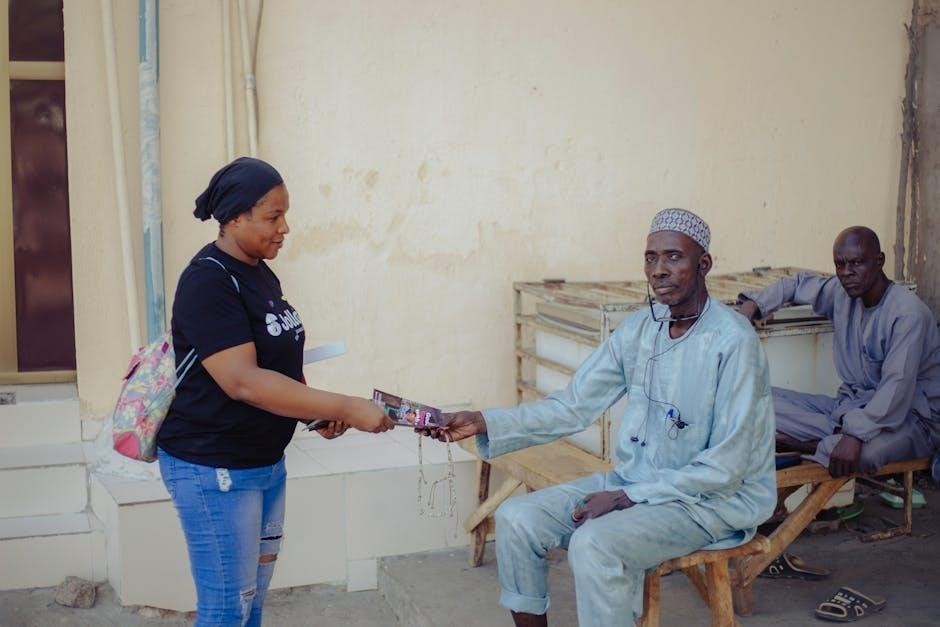
The Benefits of Being a Giver
Givers often experience increased happiness, stronger relationships, and an enhanced reputation built on trust and positive impact within their communities․
These advantages stem from the fulfilling nature of helping others and fostering genuine connections․
Increased Happiness and Fulfillment
Givers derive a unique sense of joy and fulfillment from contributing to the well-being of others, experiencing a ‘vicarious reward’ when witnessing positive outcomes․
This isn’t simply about selfless acts; it’s a reciprocal process where helping others boosts personal happiness and creates a positive emotional cycle․
By focusing on positive impact, givers cultivate a sense of purpose and meaning, leading to greater life satisfaction and overall well-being․
Stronger Relationships
Givers naturally foster deeper and more meaningful connections with others through consistent acts of kindness and support, building trust and reciprocity․
Their willingness to help without expecting immediate returns cultivates loyalty and strengthens bonds, creating a network of mutual respect․
These relationships are often characterized by increased emotional intimacy and a sense of belonging, contributing to overall social well-being․
Enhanced Reputation and Trust
Givers consistently build a positive reputation through their selfless actions and dedication to helping others, becoming known as reliable and compassionate individuals․
This reputation fosters trust, as people are more likely to collaborate with and support those perceived as genuinely caring and helpful․
Consequently, givers often experience increased opportunities and influence, benefiting from the goodwill they’ve cultivated within their communities․
Givers in the Workplace
Givers significantly contribute to positive work environments by fostering generosity and collaboration, though they must navigate interactions with ‘takers’ effectively․
Establishing boundaries is crucial for givers to avoid exploitation and maintain personal well-being while contributing their skills․
Promoting a Culture of Generosity
Cultivating a workplace where giving is valued requires conscious effort; leaders should actively recognize and reward helpful behaviors, not just outcomes․
Adam Grant’s research highlights that generosity isn’t weakness, but a strength that can drive innovation and team performance when appropriately managed․
Encouraging knowledge sharing, mentorship programs, and collaborative projects can foster a reciprocal environment where givers thrive and inspire others․
Prioritizing psychological safety allows individuals to offer help without fear of appearing less competent or being taken advantage of․
Dealing with Takers
Givers often encounter ‘takers’ – individuals who consistently prioritize their own self-interest, often at the expense of others, creating imbalance․
Adam Grant advises givers to recognize taker behavior and establish clear boundaries to protect their time and resources from exploitation․
Direct confrontation isn’t always necessary; strategically limiting access or politely declining requests can be effective strategies for self-preservation․
Focusing on reciprocal relationships with other givers and matchers can build a supportive network, mitigating the impact of takers․
The Importance of Boundaries for Givers
Givers, driven by their innate desire to help, frequently struggle with setting boundaries, leading to potential burnout and resentment․
Establishing clear limits on time, energy, and resources is crucial for maintaining well-being and preventing exploitation by ‘takers’․
Learning to politely decline requests, prioritize self-care, and recognize personal limits are essential skills for thriving as a giver․
Boundaries aren’t selfish; they enable sustained generosity by ensuring givers have the capacity to continue offering support․

Potential Challenges for Givers
Givers face risks like burnout from overextending themselves, exploitation by those who take advantage, and difficulty asserting their own needs․
Saying “no” proves challenging, hindering self-preservation and potentially diminishing their capacity for genuine generosity over time․
Risk of Burnout
Givers, driven by a desire to help, often overcommit and neglect their own well-being, leading to emotional, physical, and mental exhaustion․
Constantly prioritizing others’ needs without establishing boundaries depletes personal resources, fostering feelings of resentment and diminished effectiveness․
This sustained self-sacrifice can manifest as chronic fatigue, increased cynicism, and a reduced sense of accomplishment, ultimately hindering their ability to give․
Exploitation by Takers
Givers, with their inherent generosity, are particularly vulnerable to exploitation by ‘takers’ who prioritize self-interest and readily accept help without reciprocation․
Takers often identify and target givers, consistently requesting assistance while offering little in return, creating an imbalanced and draining dynamic․
This pattern can lead to givers feeling used and undervalued, eroding their motivation and fostering resentment towards those who exploit their kindness․
Difficulty Saying “No”
A core challenge for givers lies in their inherent desire to help, leading to a significant difficulty in declining requests, even when overextended․
This reluctance stems from a fear of disappointing others or appearing unhelpful, prioritizing the needs of others above their own well-being․
Consequently, givers often overcommit, taking on excessive responsibilities and ultimately increasing their risk of burnout and diminished effectiveness․

Strategies for Givers to Thrive
Givers can flourish by establishing firm boundaries, prioritizing self-care, and actively seeking supportive environments that value their contributions․
These practices safeguard against exploitation and burnout, enabling sustained generosity without compromising personal well-being or effectiveness․
Setting Healthy Boundaries
For givers, establishing boundaries isn’t selfish; it’s essential for sustainable generosity․ Learning to politely decline requests that overextend capacity prevents burnout and exploitation․
Clearly defining limits communicates respect for one’s own time and energy, fostering healthier relationships․ This allows givers to continue offering support without depleting resources․
Prioritizing personal needs ensures continued ability to contribute positively, demonstrating that self-care is integral to effective giving, not a contradiction of it․
Prioritizing Self-Care
Givers often focus outwardly, neglecting their own well-being․ However, consistent self-care is not a luxury, but a necessity for sustained generosity and preventing burnout․
Activities like mindfulness, exercise, and adequate rest replenish energy levels, enabling givers to continue supporting others effectively․ Recognizing personal limits is crucial․
Investing in one’s own physical and emotional health allows givers to operate from a place of abundance, rather than depletion, maximizing positive impact․
Finding Supportive Environments
Givers thrive in environments that value and reciprocate generosity, fostering a sense of belonging and appreciation for their contributions․
Surrounding oneself with individuals who understand and respect boundaries is vital, minimizing the risk of exploitation by ‘takers’․
Seeking out communities or workplaces that actively promote a culture of kindness and collaboration will amplify a giver’s positive influence․
The Difference Between Givers and Matchers
Givers offer unconditionally, while matchers prioritize reciprocity – an eye for an eye – impacting long-term relationship dynamics and trust building․
Matchers seek balance, whereas givers contribute without expecting immediate or equivalent returns, fostering deeper connections․
Reciprocity vs․ Unconditional Giving
Matchers operate on a principle of reciprocity, believing in a balanced exchange of favors and contributions; “you scratch my back, I’ll scratch yours․” This approach builds relationships based on equitable transactions․
Givers, conversely, practice unconditional giving, offering support and assistance without anticipating a direct return or equivalent exchange․ This stems from a genuine desire to help others succeed, fostering trust and goodwill․
While reciprocity can be effective, unconditional giving often cultivates stronger, more enduring bonds, as it demonstrates selfless generosity and builds lasting positive impressions;
Long-Term Relationship Dynamics
Givers tend to foster stronger, more collaborative relationships over time due to their consistent generosity and willingness to support others’ growth․ This builds deep trust and mutual respect within networks․
Unlike the transactional nature of matcher relationships, giver-based connections are less focused on keeping score and more centered on shared success and collective well-being․
This approach often leads to increased loyalty, enhanced cooperation, and a greater willingness to go the extra mile for those within the giver’s sphere of influence․

Givers and Leadership
Givers excel in leadership by inspiring through empathy and compassion, fostering a supportive environment where others thrive and contribute their best work․
Their generosity motivates teams, building strong bonds and encouraging collaborative efforts towards shared goals and collective achievements․
Leading with Empathy and Compassion
Giver leaders distinguish themselves through a profound ability to understand and share the feelings of their team members, fostering genuine connections․
This empathetic approach allows them to anticipate needs, offer tailored support, and create a psychologically safe space for vulnerability and growth․
Compassion drives them to prioritize the well-being of others, leading to increased trust, loyalty, and a more engaged and productive workforce․
Ultimately, leading with empathy and compassion isn’t simply ‘soft’ leadership; it’s a powerful strategy for achieving exceptional results․
Inspiring Others Through Generosity
Giver leaders don’t just practice generosity; they actively inspire it in others, creating a ripple effect of positive behavior throughout the organization․
By consistently demonstrating selflessness and a willingness to help, they set a powerful example, encouraging team members to adopt similar values․
This fosters a culture of collaboration, support, and mutual respect, where individuals are motivated to contribute their best selves;
Generosity, therefore, becomes a catalyst for innovation, creativity, and collective success, driven by a shared sense of purpose․
Real-World Examples of Givers
Philanthropists and humanitarians embody the ‘giver’ spirit through substantial contributions, while everyday acts of kindness demonstrate generosity in daily life․
These individuals prioritize positive impact, showcasing that giving extends beyond financial donations to encompass time, effort, and empathy․
Philanthropists and Humanitarians
Philanthropists and humanitarians represent the most visible examples of the ‘giver’ personality, dedicating significant resources to improving the lives of others on a large scale․
Their actions, driven by a genuine desire to alleviate suffering and promote well-being, often involve substantial financial contributions to charitable organizations and impactful initiatives․
These individuals demonstrate a commitment to social responsibility, embodying the core values of generosity and selflessness that define the ‘giver’ mindset, inspiring widespread positive change․
Everyday Acts of Kindness
The ‘giver’ personality isn’t limited to grand gestures; it manifests profoundly in daily interactions and seemingly small acts of kindness towards others․
These can range from offering a helping hand to a colleague, providing emotional support to a friend, or simply showing genuine empathy and compassion in everyday situations․
Such consistent displays of generosity, though often unnoticed, collectively contribute to a more positive and supportive environment, embodying the essence of the ‘giver’ spirit․

The Role of Technology in Supporting Givers
Digital platforms now facilitate charitable giving and volunteerism, expanding the reach of ‘givers’ and streamlining community involvement through accessible tools․
Insta360 cameras, for example, allow documenting and sharing positive experiences, amplifying acts of kindness and inspiring broader participation․
Platforms for Charitable Giving
Numerous online platforms now empower givers to contribute financially to causes they support with unprecedented ease and efficiency․ These digital spaces, ranging from established organizations like GlobalGiving to newer crowdfunding sites, democratize philanthropy․
They offer transparency regarding fund allocation, enabling donors to directly track the impact of their contributions․ This accessibility fosters greater engagement and encourages sustained giving, amplifying the positive influence of generous individuals․
Tools for Volunteering and Community Involvement
Beyond financial contributions, givers often seek opportunities to dedicate their time and skills to meaningful causes․ Several online tools facilitate this, connecting volunteers with organizations needing assistance․ Platforms like VolunteerMatch and Idealist streamline the search process․
These resources allow individuals to identify opportunities aligned with their passions and schedules, fostering deeper community engagement and maximizing the impact of their selfless efforts․

Insta360 and the Giver Mindset (Connection to Action/Impact)
Insta360 cameras empower givers to document and share positive experiences, amplifying acts of kindness and inspiring others through visual storytelling and impactful content․
Capturing and Sharing Positive Experiences
Insta360’s innovative cameras, including 360 and action models, facilitate effortless documentation of generosity in action․ Givers can readily record and share heartwarming moments, from simple acts of kindness to larger philanthropic endeavors․
This ability to visually represent positive impact extends reach, inspiring wider participation and fostering a ripple effect of goodwill․ Sharing these experiences cultivates empathy and encourages others to embrace a giver mindset․
Documenting Acts of Kindness
Insta360 technology empowers givers to meticulously record their contributions, creating a visual diary of positive impact․ From capturing volunteer work to showcasing charitable donations, these cameras offer unique perspectives․
This documentation isn’t merely for personal reflection; it serves as powerful storytelling, amplifying the message of generosity and inspiring others to participate in acts of kindness, fostering community․

The Future of Giving
Philanthropy and volunteerism are evolving, with growing emphasis on social impact and leveraging technology to broaden reach and deepen engagement for givers․
Trends in Philanthropy and Volunteerism
Modern philanthropy increasingly focuses on measurable impact, shifting from simply donating to strategically investing in solutions․ Volunteerism is also evolving, with a rise in skills-based volunteering and micro-volunteering opportunities․
Technology plays a crucial role, facilitating easier giving through online platforms and connecting volunteers with organizations needing support․
Furthermore, there’s a growing trend towards collaborative philanthropy, where individuals and organizations pool resources for greater collective effect, empowering givers․
The Growing Importance of Social Impact
Increasingly, individuals and businesses prioritize social impact alongside financial returns, recognizing a responsibility to address societal challenges․ This shift fuels demand for purpose-driven organizations and ethical investments․
Givers naturally align with this trend, seeking opportunities to contribute to positive change and create lasting value beyond personal gain․
This emphasis on impact fosters a culture of generosity and encourages innovative solutions to complex global issues, benefiting communities worldwide․

Embracing the Giver Within
Cultivating a ‘giver’ mindset unlocks happiness, strengthens relationships, and builds trust, demonstrating the profound power of generosity in personal and professional life․
The Power of Generosity
Generosity, at its core, isn’t simply about donating resources; it’s a fundamental shift in perspective, prioritizing the well-being of others alongside one’s own․
Adam Grant’s research reveals that givers often experience increased happiness and fulfillment, fueled by the ‘vicarious reward’ of witnessing positive impacts․
This proactive kindness fosters stronger connections, enhances reputation, and ultimately creates a ripple effect of positivity, benefiting both the giver and receiver․
Cultivating a Giver Mindset
Embracing a ‘giver’ mindset requires conscious effort, shifting focus from personal gain to contributing value to others without expecting immediate reciprocity․
Prioritizing acts of kindness, both large and small, and actively seeking opportunities to help fosters a habitual pattern of generosity and positive impact․
Recognizing the inherent rewards – increased happiness, stronger relationships – reinforces this mindset, creating a fulfilling cycle of giving and receiving․