Navigating the world of motorcycle racing suits requires understanding proper sizing for optimal safety and performance․ Finding your perfect fit—whether it’s a race or track suit—is crucial, encompassing leather options for women, men, and youth riders․
Accurate sizing charts, including international and US conversions, are essential for a snug, yet unrestricted, fit․ Consider height, weight, and key body measurements when selecting your suit․
Why Accurate Sizing is Crucial
Precise sizing in a motorcycle racing suit isn’t merely about comfort; it’s fundamentally linked to rider safety and performance on the track․ A poorly fitted suit can severely compromise protection during a crash, hindering the suit’s ability to absorb impact and provide abrasion resistance․ Too-loose suits bunch and flap, creating aerodynamic drag and potentially interfering with control, while too-tight suits restrict movement, causing fatigue and reducing reaction time․
Proper fit ensures the integrated armor – shoulder, elbow, knee, and back protectors – remains correctly positioned to safeguard vital areas․ Furthermore, a well-fitted suit maximizes the effectiveness of features like aerodynamic humps and strategically placed leather reinforcements․ Investing time in accurate measurements and referencing size charts is paramount, guaranteeing the suit functions as intended, protecting the rider and enhancing their overall riding experience․
Types of Racing Suits & Sizing Variations
Motorcycle racing suits aren’t one-size-fits-all; variations exist based on discipline and construction․ One-piece suits offer maximum protection and a streamlined fit, generally requiring more precise sizing than two-piece suits, which provide greater flexibility․ Leather suits, the most common type, vary in leather thickness and stretch panel placement, influencing fit․ Textile suits, often used in warmer climates, may have different sizing standards due to material properties․
Brand-specific sizing is a significant factor; Alpinestars, Dainese, and Rev’It, for example, may have unique size charts․ Youth and women’s suits are specifically tailored to different body shapes, requiring dedicated size guides․ Understanding these nuances and consulting individual brand charts is crucial for avoiding incorrect sizing and ensuring optimal protection and comfort․

Understanding Key Measurements
Accurate measurements—chest, waist, hip, inseam, and shoulder-to-crotch—are fundamental for selecting the correct size․ Utilize a flexible measuring tape and seek assistance for precision․
Chest Measurement
Determining your chest measurement is a critical first step in finding the right motorcycle racing suit size․ To achieve an accurate reading, stand naturally with your arms relaxed at your sides․ Wrap a flexible measuring tape horizontally around the fullest part of your chest, ensuring the tape is level and snug, but not constricting․
Avoid measuring over clothing, as this will add unnecessary bulk to the measurement․ Record the measurement in centimeters or inches, depending on the size chart you are using․ Remember that chest measurements often vary between manufacturers, so always consult the specific brand’s size guide․ Typical chest measurements range from approximately 83cm to 99cm (33 to 39 inches) or more, depending on the size․
Compare your measurement to the size chart to determine the corresponding suit size․ If your measurement falls between sizes, it’s generally recommended to size up for a more comfortable and flexible fit․
Waist Measurement
Accurately measuring your waist is essential for a secure and comfortable fit in a motorcycle racing suit; Stand relaxed, ensuring your abdomen isn’t flexed or compressed․ Position the measuring tape around your natural waistline – typically the narrowest part of your torso, or where you naturally bend when leaning to the side․
Keep the tape measure level and snug, but not overly tight․ Record the measurement in centimeters or inches, aligning with the chosen size chart’s units․ Waist measurements commonly range from 64cm to 80cm (25 to 31 inches) or beyond, depending on size and body type․
Consult the specific brand’s size chart, as waist measurements can differ․ If your measurement falls between sizes, consider the suit’s adjustability features before deciding․ A slightly larger size can often be cinched tighter with belts or adjustments․
Hip Measurement
Determining your hip measurement is crucial for ensuring a comfortable and unrestricted fit, particularly in the lower body of a motorcycle racing suit․ Stand with your feet together and your weight evenly distributed․ Position the measuring tape around the fullest part of your hips and buttocks, keeping it level․
Ensure the tape measure isn’t too tight, allowing for comfortable movement․ Record the measurement in centimeters or inches, matching the units used in the size chart․ Hip measurements typically range from 79cm to 95cm (31 to 37 inches) and can vary significantly․
Always refer to the specific brand’s size guide, as hip measurements can differ between manufacturers․ If your measurement falls between sizes, prioritize comfort and range of motion․ A properly fitted suit allows for safe and agile riding․
Inseam/Leg Length Measurement
Accurately measuring your inseam, or leg length, is vital for a properly fitted racing suit, ensuring optimal comfort and freedom of movement while riding․ Stand straight with your shoes on, as you would when riding․ Have a friend assist for the most accurate result․

Measure from the crotch seam down to the bottom of your ankle bone․ Keep the measuring tape straight and slightly relaxed, avoiding pulling it too tight․ Record this measurement in inches or centimeters, aligning with the suit’s size chart․
Inseam lengths vary considerably, typically ranging from 30 to 34 inches․ Consult the brand’s specific size chart, as inseam requirements differ․ A correct inseam prevents bunching or restriction, enhancing both safety and performance on the track․
Shoulder to Crotch Measurement
Determining your shoulder-to-crotch measurement is crucial for achieving a precise fit in a motorcycle racing suit, impacting both comfort and protection․ Stand upright with good posture, ensuring your back is straight and relaxed․ You’ll need assistance from another person for accuracy․
Begin the measurement at the highest point of your shoulder, running the measuring tape down the front of your torso, through the crotch, and ending at the floor․ Maintain a straight line and avoid any slack in the tape․ Record the measurement in either inches or centimeters․
This measurement is particularly important for suits with a more aggressive, pre-curved riding position․ A correct shoulder-to-crotch length ensures the suit doesn’t bind or restrict movement, maximizing safety and performance on the track․
Standard Race Suit Size Chart (International & US)
Utilizing a standard race suit size chart is vital for accurate fitting, bridging international and US sizing systems․ Charts offer approximate conversions for optimal comfort and safety․
Converting International Sizes to US Sizes
Understanding the conversion between international and US race suit sizes is paramount for a secure and comfortable fit․ Generally, European sizes (XS, S, M, L, XL, 2XL, 3XL) correlate to approximate US sizes, but variations exist between brands․
For instance, a European size 44 often equates to a US size 34, while 46 corresponds to 36, 48 to 38, 50 to 40, 52 to 42, 54 to 44, 56 to 46, 58 to 48, 60 to 50, and 62 to 52․ However, these are merely guidelines; always consult the specific brand’s size chart․ Accurate measurements are crucial, as sizing can differ significantly․ Prioritize checking the manufacturer’s chart over relying solely on general conversions to ensure the best possible fit for your racing suit․
European Size Equivalents
European race suit sizing utilizes a numerical system, commonly ranging from 44 to 62 and beyond for larger sizes․ These numbers don’t directly translate to inches or letter sizes, requiring careful conversion․ Understanding this system is vital when purchasing from European brands or retailers․
Typically, size 44 suits fit a chest circumference of approximately 36 inches, while 46 suits accommodate around 38 inches․ Progressing through the sizes, 48 fits 40 inches, 50 fits 42 inches, 52 fits 44 inches, 54 fits 46 inches, 56 fits 48 inches, 58 fits 50 inches, and 60 fits 52 inches․ Remember, these are approximate; always prioritize the brand’s specific size chart for the most accurate fit․ Consider waist and hip measurements alongside chest size for a comprehensive assessment․
Men’s Racing Suit Size Guide
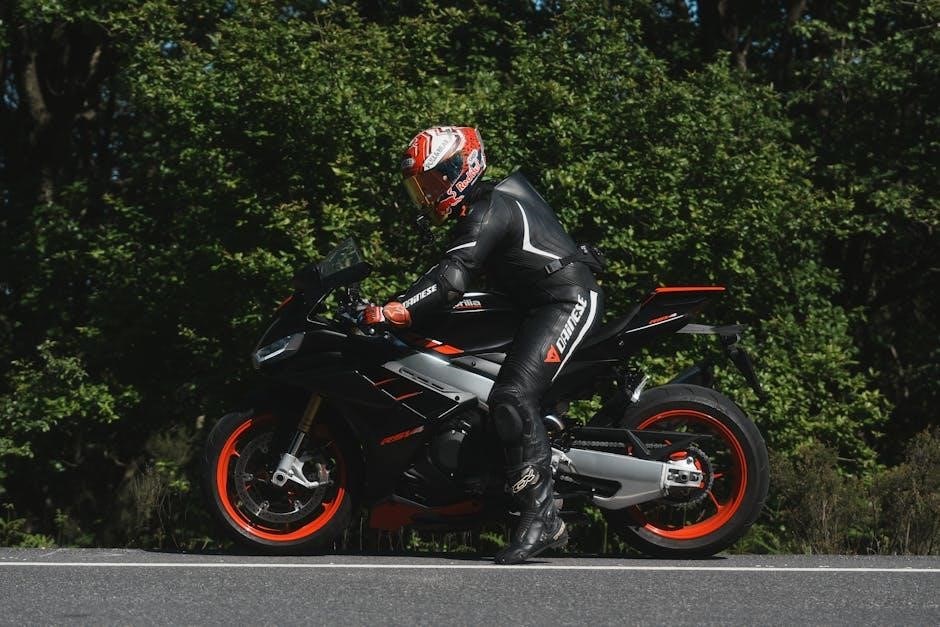
Men’s racing suits require precise measurements—chest, waist, hip, and thigh—to ensure a secure, performance-oriented fit․ Detailed charts provide guidance for optimal sizing and comfort․
Detailed Men’s Size Chart (Chest, Waist, Hip, Thigh)
Below is a comprehensive men’s racing suit size chart, presented in centimeters, to assist in finding your ideal fit․ Please note these are approximate measurements and can vary slightly between brands․ Always consult the specific brand’s chart for the most accurate sizing․
| Size | Chest (cm) | Waist (cm) | Hip (cm) | Thigh (cm) |
|---|---|---|---|---|
| XS | 64, 68 | 64 ― 68 | 79 ― 83 | 48 — 49 |
| S | 68 — 72 | 68 — 72 | 83 ― 87 | 50 — 51 |
| M | 72 — 76 | 72 ― 76 | 87 ― 91 | 52 — 53 |
| L | 76 ― 80 | 76 ― 80 | 91 ― 95 | 54 ― 55 |
| XL | 80 ― 84 | 80 — 84 | 95 ― 99 | 56 — 57 |
| 2XL | 84 — 88 | 84 ― 88 | 99 — 103 | 58 ― 59 |

Remember to measure yourself accurately and compare your measurements to this chart․ A snug, but not restrictive, fit is crucial for safety and performance․
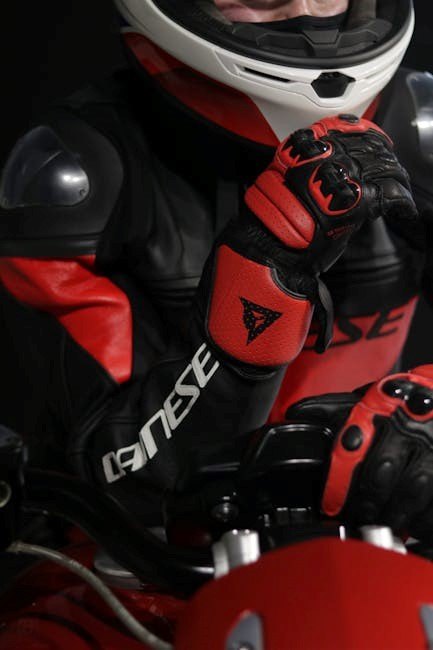
Women’s Racing Suit Size Guide
Women’s racing suits require specific considerations for a secure and comfortable fit, differing from men’s sizing․ Accurate measurements are vital for optimal protection and performance on the track․
Specific Considerations for Women’s Suits
Women’s anatomy differs from men’s, necessitating racing suits designed with a tailored fit․ Key areas like the chest, waist, and hips require specific attention during sizing․ Standard men’s suits often lack the necessary shaping, leading to discomfort and reduced protection․
Look for suits with pre-shaped arms and legs, accommodating a woman’s natural curves․ Consider suits featuring adjustable waist belts and shoulder straps for a customized fit․ Pay close attention to the shoulder width and inseam measurements, as these are crucial for proper mobility․ Many brands now offer dedicated women’s lines, ensuring a more accurate and comfortable fit․ Prioritize suits with integrated armor specifically designed for the female form, providing optimal impact protection in key areas․
Remember to account for undergarments and layers when taking measurements․ A snug, but not restrictive, fit is essential for both safety and performance․
Women’s Size Chart Details
Women’s racing suit size charts often correlate with European sizing, requiring conversion for US shoppers․ Typical charts include measurements for chest, waist, hip, and inseam, expressed in centimeters or inches․ A size Small, for example, might correspond to a chest measurement of 87-91 cm and a waist of 68-72 cm․
Medium suits generally fit chests measuring 91-95 cm and waists of 72-76 cm․ Larger sizes increase proportionally․ Height is also a factor, with charts often indicating suitable height ranges for each size․ Always consult the specific brand’s chart, as variations exist․ Remember to compare your body measurements to the chart, not your usual clothing size․ Prioritize a snug fit, allowing for full range of motion without being overly restrictive․ Accurate measurements are key to selecting the correct size․
Youth/Child Racing Suit Size Guide
Youth sizing typically relies on age and height, with charts detailing chest and waist measurements for sizes like medium and large․ Prioritize safety!
Age & Height Based Sizing
Determining the correct size for a young racer often begins with height and age, serving as initial guidelines․ However, these should always be supplemented with precise body measurements for the best possible fit․ A child’s growth spurts necessitate regular checks, ensuring the suit remains appropriately sized and doesn’t compromise safety․
Generally, sizing tables correlate height ranges with suit sizes – for example, 150-160cm might correspond to a specific size․ Remember that these are approximations; individual builds vary significantly․ A child who is taller for their age may require a larger size than indicated by their age alone․ Always prioritize a snug, but not restrictive, fit, allowing for comfortable movement on the track․ Consult brand-specific charts, as variations exist between manufacturers․
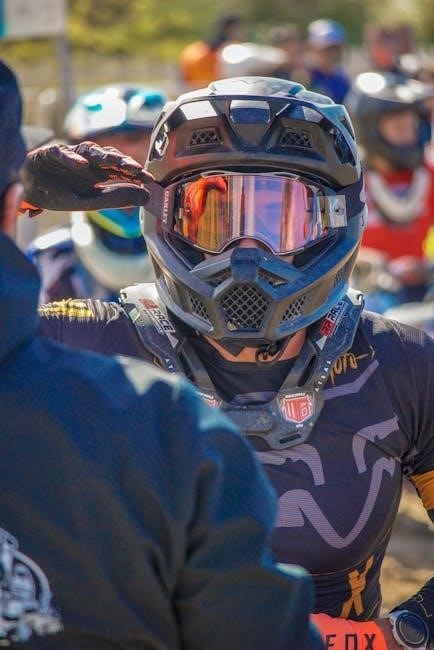
Consider the child’s weight alongside height, as this provides a more comprehensive assessment․ Proper fit is paramount for protection during a potential slide or impact․
Youth Size Chart (Chest, Waist)
Below is a representative youth racing suit size chart, illustrating typical chest and waist measurements․ Please note that these are approximate and can vary between brands; always refer to the manufacturer’s specific chart․ A child medium, for instance, generally fits chest measurements of 30-32 inches and a waist of 27-29 inches․
Moving to larger sizes, a child large typically accommodates a 33-34 inch chest and a 29․5-31 inch waist․ Small sizes often range from 36-38 inch chests with 32․5-35 inch waists․ Accurate measurement is key; don’t assume a size based on age alone․ Ensure the suit allows for a full range of motion without being overly loose․ Prioritize safety by confirming a secure, comfortable fit․ Remember to account for any undergarments or protective layers worn beneath the suit․
Regularly check the fit as your child grows!
Tips for Getting the Best Fit
Always account for undergarments and layers when measuring․ Prioritize a snug, but not restrictive, fit allowing full range of motion for optimal safety and comfort․
Accounting for Undergarments & Layers
When determining your ideal racing suit size, it’s vital to consider the undergarments and protective layers you’ll be wearing beneath the suit․ Standard motorcycle racing suits are designed to be worn over protective gear, including base layers, chest protectors, and back protectors․
Therefore, measure yourself while wearing these items to ensure an accurate fit․ Failing to do so can result in a suit that is either too tight, restricting movement and comfort, or too loose, compromising safety․ Remember that thicker thermal layers will add bulk, requiring a slightly larger suit size․
Consider the climate you’ll be riding in; additional layers may be necessary for colder conditions․ Always prioritize a snug, yet comfortable fit that allows for a full range of motion without feeling constricted․ Proper accounting for undergarments and layers is a crucial step in achieving the best possible fit and maximizing your safety on the track․
The Importance of a Snug, But Not Restrictive, Fit
A properly fitted motorcycle racing suit is paramount for both safety and performance․ The suit should be snug enough to maintain a secure position and prevent excessive movement during a crash, but crucially, it must not be restrictive․ Restriction hinders your range of motion, impacting control and potentially causing fatigue․
You should be able to comfortably move your arms, legs, and torso while wearing the suit․ Check for tightness across the shoulders, back, and knees – these areas require full flexibility․ A suit that’s too tight can cause discomfort and impede blood circulation, while a loose suit offers insufficient protection․
Prioritize a fit that feels secure and allows for uninhibited movement․ Remember, a snug, but not restrictive, fit is the key to maximizing your safety and enjoying a confident riding experience on the track․

Where to Find Brand-Specific Size Charts
While general size charts provide a useful starting point, motorcycle racing suit sizing can vary significantly between brands․ Therefore, consulting the manufacturer’s specific size chart is absolutely essential for an accurate fit․ Most reputable brands offer detailed sizing guides on their official websites․
Look for dedicated size chart pages, often accessible through product descriptions or a “sizing” section on the website․ These charts typically include measurements in both centimeters and inches, catering to a wider audience․ Some brands even provide downloadable PDF versions for easy reference․
Additionally, retailers specializing in motorcycle gear often host brand-specific size charts․ Don’t hesitate to contact customer support for assistance if you’re unsure about which size to choose – they can offer personalized guidance based on your measurements․