Semaglutide Diet Plan: A Comprehensive Guide (Updated 12/06/2025)
Navigating semaglutide requires a holistic approach, blending medication with lifestyle adjustments.
This guide details a compatible diet,
considering protein intake, hydration, and
long-term sustainability for optimal weight management.

Understanding Semaglutide
Semaglutide is a powerful medication, initially developed to manage type 2 diabetes, but now widely recognized for its significant weight loss capabilities. It belongs to a class of drugs called glucagon-like peptide-1 (GLP-1) receptor agonists, mimicking the effects of the naturally occurring GLP-1 hormone in the body.

This hormone plays a crucial role in regulating appetite and food intake. Semaglutide works by slowing down gastric emptying, meaning food stays in your stomach longer, promoting a feeling of fullness. It also stimulates insulin release when blood sugar levels are high and suppresses glucagon secretion, further contributing to blood sugar control.
Currently, semaglutide is available under different brand names, including Ozempic (for diabetes management) and Wegovy (specifically for weight loss), and can be administered via weekly injections or, more recently, as an oral tablet. Understanding its mechanism is vital when crafting a diet plan, as maximizing its benefits requires a coordinated approach. The WHO recognizes its potential when combined with lifestyle changes.
What is Semaglutide?

Semaglutide is a synthetic version of a naturally occurring human hormone, the glucagon-like peptide-1 (GLP-1). It’s a relatively new medication gaining prominence in both diabetes treatment and weight management. Originally designed to help individuals with type 2 diabetes control their blood sugar levels, its impact on weight loss has become increasingly significant.
Available under brand names like Ozempic and Wegovy, semaglutide functions by mimicking the effects of GLP-1, which regulates appetite and food intake. It’s typically administered as a once-weekly injection, though an oral form is now available, offering increased convenience. The injection uses a small needle for subcutaneous administration.
The drug’s effectiveness stems from its ability to slow gastric emptying, leading to a prolonged feeling of fullness, and to stimulate insulin release in response to elevated blood sugar. It’s crucial to remember that semaglutide is most effective when combined with a healthy diet and regular exercise, and its use should always be guided by a healthcare professional.
How Semaglutide Works for Weight Loss
Semaglutide’s weight loss effects are multifaceted, primarily revolving around its influence on appetite regulation and gastric emptying. As a GLP-1 receptor agonist, it mimics the natural hormone, prompting the brain to perceive fullness more quickly and for a longer duration. This leads to a natural reduction in food intake, contributing to a calorie deficit.
Furthermore, semaglutide slows down the rate at which food leaves the stomach – gastric emptying. This prolonged feeling of satiety further discourages overeating and supports weight loss efforts. It also influences insulin secretion, responding to elevated blood sugar levels, which can indirectly aid in weight management by reducing cravings.
However, it’s vital to understand that semaglutide isn’t a magic bullet. Its efficacy is significantly enhanced when paired with a structured diet plan and consistent physical activity. The medication facilitates behavioral changes, making it easier to adhere to a healthier lifestyle, ultimately leading to sustainable weight reduction.
Semaglutide Dosage and Administration

Semaglutide is typically administered as a once-weekly subcutaneous injection, utilizing a pre-filled pen for ease of use. The initial dosage for weight loss, often with Wegovy, usually begins at 0.6 mg, gradually increasing weekly to a maintenance dose of 2.4 mg. This titration schedule minimizes potential side effects while optimizing efficacy.
Ozempic, approved for type 2 diabetes, utilizes a different dosage range, starting at 0.25 mg and escalating as needed, up to a maximum of 1 mg weekly. It is crucial to adhere strictly to the prescribed dosage and administration schedule determined by a healthcare professional. Self-adjusting the dose can be dangerous and counterproductive.
Recently, an oral form of semaglutide (Rybelsus) has become available, taken daily. However, its absorption can be affected by food and fluid intake, requiring specific instructions for administration; Regular monitoring by a physician is essential throughout semaglutide treatment to assess progress and manage any adverse reactions.
Potential Side Effects of Semaglutide
Common side effects of semaglutide often relate to its impact on the gastrointestinal system. Nausea, vomiting, diarrhea, and constipation are frequently reported, particularly during the initial titration phase. These symptoms are usually mild to moderate and tend to subside as the body adjusts to the medication.
More serious, though less common, side effects include pancreatitis, gallbladder problems, and potential thyroid tumors observed in animal studies. Individuals with a history of these conditions should exercise caution and discuss risks with their doctor. Muscle loss, particularly in older adults and women, has also been noted, highlighting the importance of adequate protein intake.
Rarely, severe allergic reactions can occur, requiring immediate medical attention. Monitoring for signs of dehydration is crucial due to potential fluid loss from gastrointestinal issues. Long-term effects are still being studied, emphasizing the need for ongoing medical supervision throughout treatment.
Creating a Semaglutide-Compatible Diet Plan
Diet is paramount when using semaglutide. A well-structured plan maximizes weight loss and minimizes side effects. Focus on nutrient density,
portion control, and consistent,
healthy food choices for success.
The Role of Diet When Taking Semaglutide
Semaglutide isn’t a magic bullet; its efficacy is significantly amplified when paired with a thoughtfully constructed diet. While the medication works by mimicking a natural hormone to regulate appetite and food intake, a poor diet can hinder its effects and potentially lead to nutritional deficiencies. The goal isn’t simply calorie restriction, but rather a shift towards a sustainable, nutrient-rich eating pattern.
A semaglutide-compatible diet prioritizes whole, unprocessed foods. This includes lean proteins, non-starchy vegetables, healthy fats, and complex carbohydrates in moderation. Reducing processed foods, sugary drinks, and excessive saturated fats is crucial. The medication can cause delayed gastric emptying, meaning food stays in your stomach longer; therefore, smaller, more frequent meals are often better tolerated than large ones.
Furthermore, the WHO’s guidance emphasizes combining weight-loss medications with exercise, a healthy diet, and counseling. This holistic approach addresses both the physiological and behavioral aspects of weight management. Ignoring the dietary component diminishes the potential benefits of semaglutide and can compromise overall health. It’s about creating a lifestyle change, not just a temporary fix.
Macronutrient Breakdown: Protein, Fats, and Carbohydrates
When utilizing semaglutide, a strategic macronutrient balance is paramount for maximizing weight loss and preserving lean muscle mass. A typical recommendation leans towards a higher protein intake – approximately 1;0 to 1.5 grams per kilogram of body weight daily. This supports satiety, minimizes muscle loss (particularly important as studies show older adults and females are more susceptible), and aids in metabolic function.

Healthy fats should comprise around 20-30% of your daily calories, focusing on sources like avocados, olive oil, nuts, and fatty fish. These contribute to hormone production and overall health. Carbohydrate intake should be moderate, around 40-50%, prioritizing complex carbohydrates like whole grains, fruits, and vegetables over refined sugars and processed starches.
Adjusting these ratios based on individual activity levels and metabolic responses is key. The delayed gastric emptying effect of semaglutide means carbohydrate digestion is slower, potentially requiring adjustments to meal timing and portion sizes. Careful monitoring and potentially consulting a registered dietitian are highly recommended.
Importance of Protein Intake with Semaglutide
Protein is exceptionally crucial when incorporating semaglutide into a weight loss strategy. Research indicates that adequate protein intake can mitigate muscle loss, a potential side effect, especially in older adults and women. Aim for 1.0 to 1.5 grams of protein per kilogram of body weight daily to preserve lean muscle mass during caloric restriction.
Semaglutide’s mechanism – slowing gastric emptying – can reduce appetite and overall food intake. Protein provides increased satiety, helping manage hunger and cravings. It also has a higher thermic effect of food, meaning your body burns more calories digesting it compared to fats or carbohydrates.
Prioritize lean protein sources like poultry, fish, beans, lentils, tofu, and Greek yogurt. Distribute protein intake evenly throughout the day, including it in every meal, to optimize muscle protein synthesis. Monitoring protein levels and adjusting intake based on individual responses is highly recommended for successful, sustainable weight management while on semaglutide.
Hydration Strategies While on Semaglutide
Maintaining adequate hydration is paramount when using semaglutide, due to its impact on gastric emptying and potential for dehydration-related side effects like nausea and constipation. Semaglutide slows down the rate at which food leaves the stomach, which can contribute to feelings of fullness but also increases the risk of dehydration if fluid intake isn’t prioritized.
Aim for at least 8-10 glasses (approximately 2-2.5 liters) of water daily. Spread your water intake throughout the day, rather than consuming large amounts at once. Consider incorporating hydrating foods like fruits and vegetables – watermelon, cucumbers, and spinach are excellent choices.
Electrolyte balance is also important, especially if experiencing diarrhea or vomiting. Consider electrolyte-rich beverages or foods. Avoid sugary drinks, as they offer minimal hydration benefits and contribute to excess calorie intake. Listen to your body’s thirst cues and proactively hydrate, even if you don’t feel thirsty, to support optimal well-being while on semaglutide.
Sample Semaglutide Diet Plan
This section provides a practical framework for integrating semaglutide with a nourishing diet.
It features a 7-day meal plan,
breakfast ideas, lunch options, and
dinner recipes designed to maximize results.
7-Day Meal Plan Example
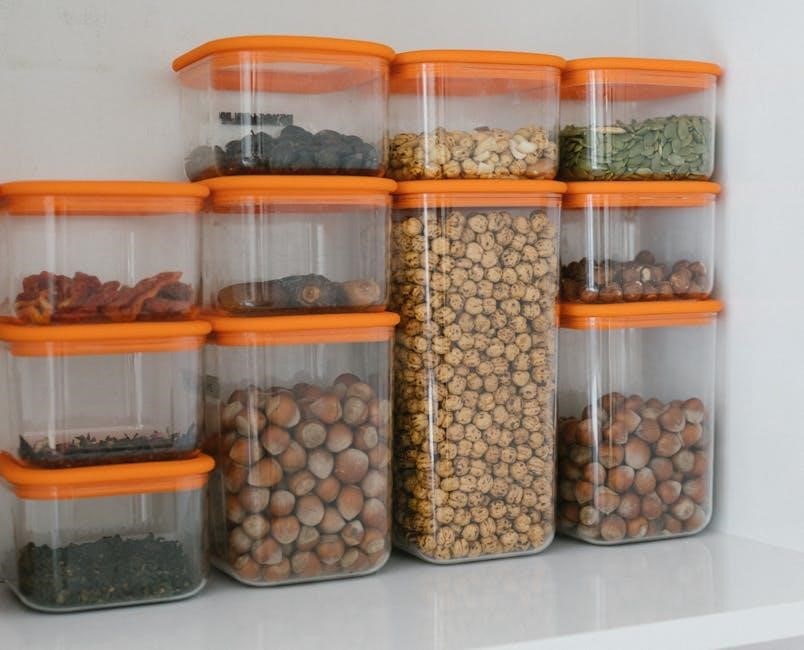
This sample plan prioritizes protein and nutrient density, crucial when using semaglutide. Remember to adjust portion sizes based on individual needs and activity levels. Hydration is key – aim for at least 8 glasses of water daily. This is a template; feel free to swap meals with similar macronutrient profiles.
- Monday: Breakfast – Greek yogurt with berries and a sprinkle of nuts. Lunch – Salad with grilled chicken or fish. Dinner – Baked salmon with roasted vegetables.
- Tuesday: Breakfast – Oatmeal with protein powder and fruit. Lunch – Turkey breast wrap with whole-wheat tortilla. Dinner – Lentil soup with a side salad.
- Wednesday: Breakfast – Scrambled eggs with spinach and whole-wheat toast. Lunch – Leftover lentil soup. Dinner – Chicken stir-fry with brown rice.
- Thursday: Breakfast – Protein smoothie with spinach and banana. Lunch – Tuna salad on whole-grain crackers. Dinner – Ground turkey and vegetable skillet.
- Friday: Breakfast – Cottage cheese with peaches. Lunch – Leftover turkey skillet. Dinner – Baked cod with quinoa and steamed broccoli.
- Saturday: Breakfast – Whole-wheat pancakes with berries. Lunch – Chicken salad sandwich on whole-wheat bread. Dinner – Lean steak with sweet potato and green beans.
- Sunday: Breakfast – Eggs Benedict with whole-wheat English muffin. Lunch – Leftover steak and vegetables. Dinner – Roasted chicken with Brussels sprouts and mashed cauliflower.
Snacks (100-200 calories): Apple slices with almond butter, a handful of almonds, or a protein bar.
Breakfast Options for a Semaglutide Diet
Starting your day with a protein-rich breakfast is vital when utilizing semaglutide, aiding satiety and minimizing potential muscle loss. Prioritize whole, unprocessed foods to support stable blood sugar levels and sustained energy. Aim for at least 20-30 grams of protein per breakfast serving.
- Greek Yogurt Parfait: Layer Greek yogurt (high in protein) with berries (fiber & antioxidants) and a sprinkle of nuts (healthy fats).
- Egg Scramble: Combine eggs with spinach, mushrooms, and a small amount of cheese for a nutrient-packed, protein-rich meal.
- Oatmeal with Protein Boost: Prepare oatmeal with water or unsweetened almond milk and add a scoop of protein powder and a handful of berries.
- Protein Smoothie: Blend protein powder, spinach, banana, and unsweetened almond milk for a quick and convenient option.
- Cottage Cheese with Fruit: Enjoy cottage cheese (excellent protein source) with sliced peaches or berries.
Avoid sugary cereals, pastries, and processed breakfast foods as they can lead to blood sugar spikes and hinder weight loss efforts. Focus on fueling your body with sustained energy and essential nutrients.
Lunch Ideas to Support Weight Loss
Midday meals on a semaglutide plan should prioritize lean protein, non-starchy vegetables, and healthy fats to promote fullness and support weight management. Portion control is key, as semaglutide can affect appetite and digestion. Aim for a balanced plate with approximately 40-50 grams of protein.
- Grilled Chicken Salad: Combine grilled chicken breast with mixed greens, cucumber, tomatoes, and a light vinaigrette dressing.
- Salmon with Roasted Vegetables: Enjoy a serving of baked salmon with roasted broccoli, asparagus, and bell peppers.
- Turkey Breast Wrap: Use a whole-wheat tortilla to wrap sliced turkey breast, lettuce, tomato, and a smear of avocado.
- Lentil Soup: A hearty and filling option packed with protein and fiber. Pair with a side salad.
- Shrimp Stir-Fry: Sauté shrimp with a variety of colorful vegetables and a light soy sauce-based sauce.
Limit processed meats, sugary drinks, and refined carbohydrates. Focus on whole, nutrient-dense foods to maximize satiety and support your weight loss journey while on semaglutide.
Dinner Recipes Focused on Nutrient Density
Evening meals while utilizing semaglutide should emphasize nutrient-rich foods to support overall health and continued weight loss. Prioritize lean proteins, abundant non-starchy vegetables, and healthy fats. Smaller portion sizes are beneficial, considering semaglutide’s impact on appetite and digestion. Aim for approximately 30-40 grams of protein per dinner serving.
- Baked Cod with Steamed Green Beans: A light and flavorful option providing essential omega-3 fatty acids.
- Chicken and Vegetable Skewers: Marinate chicken pieces and thread onto skewers with colorful vegetables like zucchini, peppers, and onions.
- Turkey Meatloaf with Cauliflower Mash: A healthier take on a classic comfort food, using lean turkey and cauliflower.
- Salmon with Quinoa and Spinach: A complete meal offering protein, complex carbohydrates, and vital nutrients.
- Lentil Shepherd’s Pie: A vegetarian option packed with protein and fiber, topped with mashed sweet potatoes.
Avoid heavy sauces, fried foods, and excessive carbohydrates. Focus on preparing meals that are both satisfying and nourishing, complementing your semaglutide treatment.
Addressing Concerns & Optimizing Results
Maximizing semaglutide’s benefits requires proactive management of potential side effects and individual needs.
Prioritize protein intake to mitigate muscle loss,
and monitor bone health, especially in older adults.
Managing Potential Muscle Loss
A significant concern with semaglutide use, particularly during weight loss, is the potential for muscle mass reduction. Studies indicate that older adults and females may be more susceptible to this effect. However, proactive strategies can help mitigate this risk and preserve lean body mass.
Prioritizing adequate protein intake is paramount. Aim for a higher protein diet, distributing consumption evenly throughout the day. This provides the necessary building blocks for muscle maintenance and repair. Resistance training, even with light weights or bodyweight exercises, is crucial for signaling the body to retain muscle tissue. Combining these two approaches – increased protein and exercise – offers synergistic benefits.
Regular monitoring of body composition is recommended. This can be achieved through methods like bioelectrical impedance analysis (BIA) or DEXA scans to track muscle mass changes. Adjusting dietary protein and exercise intensity based on these results ensures a personalized approach. Furthermore, staying adequately hydrated supports overall metabolic function and muscle health. Consulting with a registered dietitian or healthcare professional can help tailor a plan to individual needs and minimize muscle loss while maximizing weight loss success with semaglutide.
Semaglutide and Bone Density in Older Adults
Bone health is a critical consideration for older adults, and the impact of rapid weight loss on bone density requires careful evaluation. Initial research regarding semaglutide’s effect on bone density presents a reassuring, though preliminary, picture. Current studies suggest that semaglutide does not appear to negatively impact bone density in older adults, even during significant weight loss periods.
However, it’s crucial to acknowledge that longer-term studies are essential to confirm these findings. While short-term data is promising, the long-term effects of semaglutide on bone health remain unknown. Maintaining adequate calcium and vitamin D intake is vital, regardless of medication use, to support bone strength. Weight-bearing exercises also play a crucial role in stimulating bone growth and density.
Regular bone density screenings are recommended for older adults initiating semaglutide therapy. This allows for baseline assessment and ongoing monitoring to detect any potential changes. A proactive approach, combining medication with a bone-healthy lifestyle, is key to mitigating any potential risks and ensuring optimal skeletal health throughout the weight loss journey.
Semaglutide Availability and Regulations (India Focus)
India is currently experiencing a surge in demand for weight-loss drugs, including semaglutide, fueled by a growing obesity crisis and increased awareness of GLP-1 therapies. However, the landscape of availability and regulation is complex and evolving. While semaglutide (Ozempic) is approved in India for managing type 2 diabetes, its off-label use for weight loss is widespread, leading to both accessibility and concerns.
A recent court ruling has impacted the regulation of semaglutide, clarifying its status as a prescription-only medication. This aims to curb the proliferation of counterfeit drugs and ensure patient safety. Despite this, online pharmacies and unauthorized sellers continue to operate, posing risks to consumers. Doctors are cautioning against self-medication and emphasizing the importance of proper medical supervision.
The availability of oral semaglutide (Rybelsus) in India is also increasing, offering a convenient alternative to injections. However, its cost remains a barrier for many. Navigating the Indian pharmaceutical market requires careful diligence and reliance on reputable healthcare providers to ensure access to genuine, regulated semaglutide products.
Oral Semaglutide vs. Injectable Semaglutide: Efficacy Comparison
Both oral and injectable semaglutide demonstrate efficacy in weight loss and glycemic control, but key differences exist. Injectable semaglutide (Wegovy, Ozempic) generally exhibits higher bioavailability, leading to potentially greater weight loss outcomes compared to the oral formulation (Rybelsus). Studies indicate injectable semaglutide achieves more substantial reductions in body weight, often exceeding those observed with the oral version.
However, oral semaglutide offers convenience and ease of administration, appealing to individuals hesitant about injections. While absorption is lower – requiring specific administration instructions (fasting, with water) – it still provides significant benefits for many patients. The choice between the two often depends on individual preferences, tolerance, and treatment goals.
Cost is another factor; oral semaglutide may be more affordable in some regions. Ultimately, the most effective form is the one consistently adhered to, integrated with a comprehensive diet and exercise plan. Consulting a healthcare professional is crucial to determine the optimal semaglutide formulation for individual needs.
Long-Term Semaglutide Use: Considerations
Prolonged semaglutide use necessitates careful monitoring and a proactive approach to health maintenance. While effective for weight management, long-term reliance requires addressing potential risks and optimizing overall well-being. Concerns regarding muscle loss, particularly in older adults and women, highlight the importance of consistent, adequate protein intake alongside the medication.
Furthermore, the impact on bone density warrants ongoing investigation, especially with extended use. Regular bone health assessments are advisable. The potential for gastrointestinal side effects, though often diminishing over time, should be managed through dietary adjustments and hydration strategies.

Discontinuation of semaglutide may lead to weight regain, emphasizing the need for sustained lifestyle modifications – a balanced diet and regular physical activity – to maintain achieved results. Long-term adherence to a semaglutide-compatible diet plan is paramount for lasting success and minimizing potential adverse effects.