Navigating Meyer snow plow issues demands a systematic approach, encompassing hydraulic, electrical, and mechanical components; diligent maintenance is crucial for optimal performance.
Meyer snow plow systems represent a significant investment for winter maintenance, and understanding their core components is vital for effective troubleshooting. These systems generally consist of a hydraulic power unit, a plow blade assembly, an angle cylinder for directional control, and a lift cylinder for raising and lowering the blade. The hydraulic system, often utilizing Meyer’s M-1 de-icer fluid, is the heart of the operation, providing the force necessary for both angling and lifting.
Electrical components, including solenoids, wiring harnesses, and the hydraulic pump motor, control the flow of hydraulic fluid. Common models, like the E47 hydraulic unit, feature specific solenoid and valve functions crucial to understand during diagnostics. Regular maintenance, including fluid checks and filter replacements, is paramount to prevent issues. Recognizing the interplay between these systems is the first step towards resolving any operational problems encountered during winter weather.
Understanding Hydraulic Systems in Meyer Plows
Meyer snow plows rely on robust hydraulic systems to deliver the power needed for efficient snow removal. These systems utilize hydraulic fluid – ideally Meyer’s M-1 de-icer – to transmit force from the pump to the cylinders. Key components include the hydraulic pump, control valves, and the power angle and lift cylinders. The pump generates pressure, while the control valves direct fluid flow to the appropriate cylinders.
Contamination of the hydraulic fluid, even light contamination, can significantly impact performance and lead to component failure. Flushing the system, particularly the power angle rams, is a critical maintenance procedure. Internal leaks within the system can also reduce efficiency. Understanding the function of each coil and valve is essential for accurate diagnostics, often requiring a multimeter to assess electrical continuity and solenoid operation.
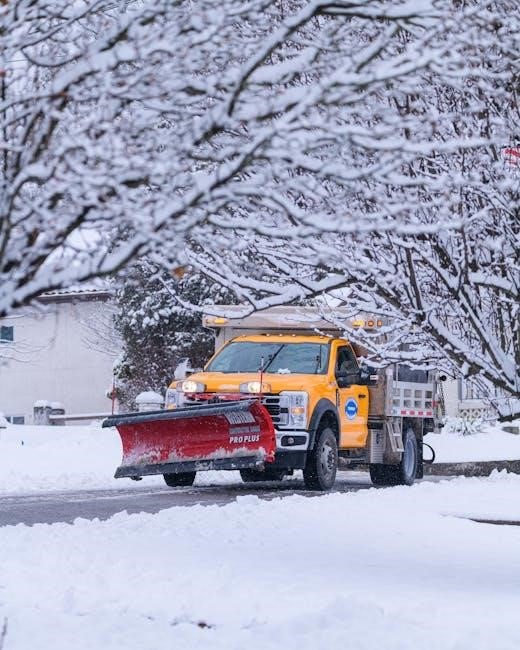
Common Meyer Snow Plow Problems
Frequently encountered issues include a non-functioning plow lift, angle cylinder malfunctions, and hydraulic fluid leaks, demanding prompt diagnosis and repair for reliable operation.
Plow Lift Not Working
When the Quik Lift snow plow fails to operate, a methodical inspection is essential. Begin by inspecting the hydraulic pump motor and solenoids for power and continuity, ensuring they receive the necessary electrical signals. A multimeter is invaluable for this step, verifying voltage and resistance.
Subsequently, meticulously clean all cable ends and battery terminals, removing any corrosion that could impede electrical flow. Poor connections are a common culprit. Examine the lift arm linkage for any obstructions or damage that might prevent proper movement.
Consider the hydraulic fluid level and condition; low fluid or contamination can significantly reduce lifting capacity. If the pump motor runs but the plow doesn’t lift, suspect internal hydraulic issues requiring further investigation. Remember to consult the specific model’s wiring diagrams for accurate troubleshooting.
Angle Cylinder Issues
Problems with the angle cylinder often manifest as difficulty steering or angling the plow blade. A primary step involves checking the hydraulic fluid level and condition, as low fluid or contamination can hinder cylinder operation. Inspect the cylinder itself for any visible leaks or damage to the seals.
Carefully examine the linkage connecting the cylinder to the plow frame, ensuring it moves freely without binding. Flushing the power angle rams, as detailed in the two-part YouTube video series, can eliminate internal restrictions and improve performance.
Verify that the appropriate solenoid is receiving power and functioning correctly. Internal leaks within the cylinder require professional repair or replacement. Remember that proper hydraulic fluid, like Meyer M-1 De-icer, is vital for optimal cylinder function and longevity.
Hydraulic Fluid Leaks
Hydraulic fluid leaks significantly reduce plow performance and can damage components. Begin by meticulously inspecting all hydraulic lines, fittings, and the pump for visible leaks. Pay close attention to connections and areas prone to abrasion. A common source is deteriorated hoses or loose fittings; tighten or replace as needed.
Check the angle cylinder seals and the hydraulic pump itself for external leakage. Light contamination within the fluid can exacerbate seal wear, leading to leaks, so flushing the system and replacing the filter are crucial preventative measures.
Using the correct fluid, Meyer M-1 De-icer, is essential, as incompatible fluids can damage seals. Internal leaks within the pump or cylinders often require professional attention. Address leaks promptly to prevent further damage and maintain optimal hydraulic pressure.

Troubleshooting Electrical Components
Electrical issues often manifest as unresponsive solenoids or a failing pump motor; thorough inspection of wiring, connections, and power delivery is paramount for diagnosis.
Inspecting the Hydraulic Pump Motor
Begin by verifying the hydraulic pump motor receives adequate voltage when the plow lift is engaged; utilize a multimeter to confirm power reaches the motor terminals during operation. A lack of voltage indicates an upstream electrical fault, potentially within the wiring harness, solenoid, or power source.
If voltage is present, assess the motor’s physical condition – listen for unusual noises like grinding or whining, which suggest internal damage. Check for any signs of overheating, such as discoloration or a burnt smell. Carefully inspect the motor shaft for any play or wobble, indicating worn bearings.
Disconnect the hydraulic lines from the pump and briefly run the motor (with appropriate safety precautions) to observe the output flow; a weak or intermittent flow points to internal pump wear or blockage. Remember to consult the Meyer service manual for specific testing procedures and safety guidelines related to your particular pump model.
Checking Solenoids for Power and Continuity

Start by locating the solenoids associated with the specific function you’re troubleshooting – lift, angle, or trip. Using a multimeter, verify the solenoid receives power when the corresponding control switch is activated. Absence of power suggests a wiring issue or a faulty switch.
Next, test for continuity across the solenoid coil; a lack of continuity indicates a burnt-out coil, requiring solenoid replacement. Ensure the solenoid is disconnected from the power source during this test. Inspect the solenoid’s electrical connections for corrosion or looseness, cleaning or tightening as needed.
Pay close attention to the E47 hydraulic unit, as its solenoid functions are specific. Refer to the service manual for the correct wiring diagrams and solenoid identification. A faulty solenoid can prevent proper hydraulic flow, leading to operational issues.
Examining Cable Ends and Battery Terminals
Corrosion on cable ends and battery terminals is a frequent culprit in Meyer snow plow electrical problems. Begin by visually inspecting all connections for green or white buildup. Disconnect the battery’s negative terminal before proceeding with cleaning. Use a wire brush or terminal cleaner to remove corrosion from both the cable ends and the battery posts.
Ensure a tight and secure connection after cleaning; loose connections create resistance and voltage drop. Apply dielectric grease to the terminals to prevent future corrosion. Inspect the cable insulation for cracks or damage, replacing any compromised cables.
Remember, a weak electrical connection can manifest as intermittent operation or complete failure of hydraulic functions. Thoroughly check all grounds as well, as a poor ground can mimic other electrical faults.
Diagnosing Wiring Harness Problems
Meyer snow plow wiring harnesses are susceptible to damage from vibration, weather exposure, and abrasion. Begin by visually inspecting the entire harness for any obvious breaks, cuts, or melted insulation. Pay close attention to areas where the harness bends or passes through the vehicle’s frame.
Utilize a multimeter to check for continuity in each wire, verifying that there are no open circuits. A wiring diagram is essential for identifying each wire’s function. Look for shorts to ground, which can cause blown fuses or erratic operation.
Consider that rodent damage is also a common issue; carefully inspect for chewed wires. Repair damaged sections using proper splicing techniques and weatherproof connectors, ensuring a secure and reliable connection.

Hydraulic System Maintenance & Repair
Maintaining a Meyer plow’s hydraulic system involves fluid checks, filter replacements, and flushing angle rams; addressing contamination promptly ensures longevity and peak functionality.
Meyer M-1 De-icer Fluid – Importance & Usage
Meyer M-1 De-icer fluid is specifically formulated for Meyer hydraulic systems, offering superior protection against corrosion and freezing, especially crucial in harsh winter conditions. Unlike conventional hydraulic fluids, M-1 contains additives that actively prevent ice formation within the system, ensuring reliable operation even at extremely low temperatures.
Using the correct fluid is paramount; incompatibility can lead to seal damage, reduced performance, and costly repairs. Regular fluid changes, utilizing M-1, are a preventative measure against internal component wear. When draining and refilling, ensure complete removal of the old fluid to avoid mixing.
Contamination is a significant concern, so always use a clean container and filter during the process. Proper fluid levels are also vital for optimal hydraulic pressure and responsiveness. Refer to your Meyer plow’s manual for specific capacity requirements and recommended change intervals. Prioritizing M-1 fluid is an investment in the longevity and efficiency of your snow plow.

Flushing Meyer Snow Plow Power Angle Rams ー Part 1
Initiating the flushing process for your Meyer power angle rams is a critical maintenance step, removing accumulated debris and ensuring smooth, responsive angling performance. This first part focuses on preparation and initial fluid evacuation. Begin by safely raising the plow and securing it with jack stands. Locate the drain plugs on each power angle ram cylinder – typically at the lowest point.
Position collection containers beneath the drain plugs to capture the old hydraulic fluid. Carefully remove the plugs, allowing the fluid to drain completely. This initial drain reveals the condition of the fluid, indicating the level of contamination.
Next, prepare a flushing solution using Meyer-approved cleaner or a compatible alternative. Part two will detail the introduction of this solution and the subsequent flushing procedure, but proper initial drainage is essential for effective cleaning.
Flushing Meyer Snow Plow Power Angle Rams ー Part 2
Continuing from Part 1, with the power angle rams fully drained, it’s time to introduce the flushing solution. Connect a pump capable of delivering low-pressure fluid to one of the ram’s hydraulic ports. Slowly introduce the flushing solution, ensuring it completely fills the cylinder. Cycle the ram manually, extending and retracting it repeatedly to dislodge accumulated contaminants.
Monitor the outflow for clarity; continue flushing until the returning fluid runs clean. Repeat this process for the other ram cylinder. Once both rams are thoroughly flushed, disconnect the pump and prepare for refilling with fresh Meyer M-1 de-icer fluid.
Proper flushing revitalizes angling performance and prevents internal damage, extending the life of your Meyer snow plow’s power angle system.
Cleaning and Replacing Hydraulic Filters
Maintaining clean hydraulic filters is paramount for a functional Meyer snow plow. Locate the hydraulic filter housing, typically near the hydraulic pump. Carefully remove the old filter, noting its orientation for correct reinstallation. Inspect the filter for excessive debris, indicating potential system contamination.
Clean the filter housing thoroughly, removing any residual particles. Before installing the new filter, lightly lubricate the gasket with fresh hydraulic fluid to ensure a proper seal. Tighten the filter housing to the manufacturer’s specified torque.
Regular filter changes – ideally annually or after heavy use – prevent component wear and maintain optimal hydraulic pressure, safeguarding your plow’s performance.
Identifying Light Hydraulic Fluid Contamination
Detecting even slight hydraulic fluid contamination is crucial, as it can lead to significant system damage. Visually inspect the fluid reservoir; a cloudy appearance or discoloration suggests contamination. Wipe a sample of the fluid on a clean white cloth – observe for any particles or sediment.
Light contamination often manifests as a milky or hazy appearance, indicating water ingress. This can cause corrosion and reduced lubrication. Regularly checking the fluid’s condition, especially after periods of inactivity, is vital.
Addressing minor contamination promptly through flushing and filter replacement can prevent costly repairs and ensure reliable plow operation. Ignoring it risks accelerated wear and potential hydraulic failure.
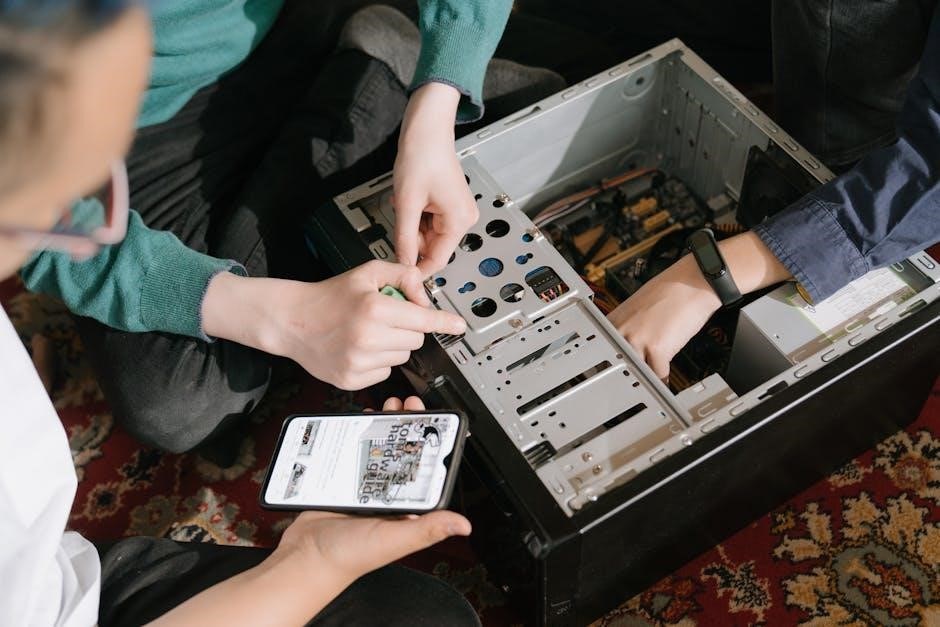
Specific Meyer Plow Model Troubleshooting (E47)
The E47 designation specifically identifies the hydraulic unit model, not the entire plow system; focused troubleshooting requires understanding its unique solenoid and valve functions.
Understanding E47 Hydraulic Unit Model
The Meyer E47 hydraulic unit is a cornerstone of many snow plow systems, known for its robust performance and relatively straightforward design. However, effective troubleshooting necessitates a firm grasp of its internal workings. It’s crucial to remember the E47 is only the hydraulic unit – not the complete plow assembly. This distinction is vital when diagnosing issues.
This unit houses a series of solenoids and valves responsible for controlling the plow’s various functions, including lifting, angling, and tripping. Understanding the role of each component is paramount. The E47 relies on hydraulic fluid, specifically Meyer M-1 De-icer fluid, to transmit power. Contamination of this fluid is a frequent culprit behind operational problems. Regular fluid checks and filter replacements are essential preventative measures.
Furthermore, the E47’s functionality is heavily reliant on a properly functioning electrical system. Issues with the pump motor, solenoids, wiring harnesses, and battery connections can all manifest as hydraulic problems. A multimeter is an invaluable tool for diagnosing electrical faults within the E47 unit.
E47 Specific Solenoid and Valve Functions
Within the Meyer E47 hydraulic unit, three key coils and valves orchestrate plow operation. Identifying each component’s function is critical for targeted troubleshooting. One valve typically controls the plow’s lift function, raising and lowering the blade. Another manages the angle cylinder, enabling left and right angling movements. The final valve often governs tripping, allowing the blade to pivot forward upon impact with an obstruction.
Each valve is activated by a corresponding solenoid. When energized, the solenoid opens the valve, allowing hydraulic fluid to flow and initiate the desired action. A lack of power to a solenoid, or a faulty solenoid itself, will prevent the associated function from operating. Continuity testing with a multimeter confirms solenoid health.
Understanding this interplay between coils, valves, and hydraulic fluid flow is essential. Videos demonstrating these functions can be incredibly helpful when diagnosing complex issues within the E47 system.

Advanced Troubleshooting Techniques
Employing a multimeter for electrical diagnostics, alongside identifying internal hydraulic leaks, and understanding coil/valve functionality, unlocks solutions for complex Meyer plow problems.
Coil and Valve Functionality Explained
Understanding the intricate relationship between the three coils and valves within a Meyer hydraulic unit (like the E47) is paramount for effective troubleshooting. Each component governs specific plow functions, and identifying which is malfunctioning significantly narrows down the repair process. One coil typically controls the lift circuit, raising and lowering the plow blade. Another manages the angle cylinder, enabling left and right angling movements. The final coil often dictates the float function, allowing the blade to conform to road irregularities.
Valves, activated by these coils, direct hydraulic fluid flow to the corresponding cylinders. A faulty coil will prevent the valve from opening or closing correctly, resulting in a loss of function. This video resource, sought after by many technicians, provides a visual explanation of these interactions, simplifying the diagnostic process. Knowing precisely what each coil and valve controls is a huge step towards resolving vexing plow issues.
Using a Multimeter for Electrical Diagnostics
Electrical issues are frequent culprits in Meyer snow plow malfunctions, making a multimeter an indispensable tool for diagnosis. Begin by verifying power reaches the hydraulic pump motor; a lack of voltage indicates a problem upstream, potentially with the battery, cable connections, or a blown fuse. Next, check solenoids for both power and continuity. Power confirms the solenoid is receiving a signal, while continuity ensures the internal coil isn’t broken.
Inspect cable ends and battery terminals for corrosion or looseness, as these create resistance and impede current flow. A multimeter can also trace wiring harness problems by identifying breaks or shorts. Remember to disconnect power before probing wiring. Systematic testing, starting with the power source and moving towards the affected component, will pinpoint the electrical fault efficiently.
Identifying and Resolving Internal Hydraulic Leaks
Internal hydraulic leaks within a Meyer snow plow are often more challenging to diagnose than external ones. Reduced plow lift or angling power, even with sufficient fluid, suggests internal leakage. Carefully inspect the power angle ram seals and the hydraulic cylinder seals for any signs of weeping or fluid accumulation. A pressure test, performed by a qualified technician, can pinpoint the source of the leak by monitoring pressure drop under load.
Resolving these leaks typically requires replacing the affected seals or, in severe cases, rebuilding the hydraulic cylinder or power angle ram. Ensure the hydraulic fluid is clean and free of contaminants, as debris can accelerate seal wear. Thorough flushing of the system, as detailed in the maintenance section, is crucial before reassembly.
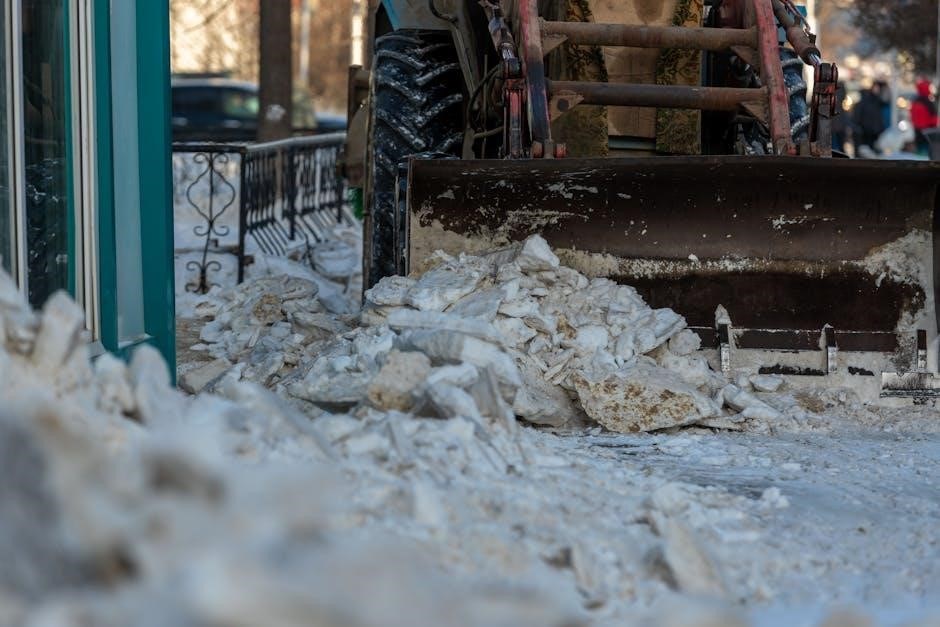
Preventative Maintenance
Regular fluid checks, lubrication of moving parts, and proper winter storage are essential for extending the life and reliability of your Meyer snow plow system.
Regular Fluid Checks and Changes
Maintaining the hydraulic fluid in your Meyer snow plow is paramount for smooth operation and preventing costly repairs. It’s that time of year again to consider a fluid change! Regularly inspect the fluid level and condition; light contamination, as noted by experienced users, can quickly become a significant problem.
Utilize Meyer’s recommended M-1 De-icer fluid, as it’s specifically formulated for these systems. Consistent fluid checks should be part of your routine, especially before and after each snow season. Consider the flushing of power angle rams – resources like the two-part YouTube video series can be incredibly helpful in this process.
Don’t neglect the hydraulic filters; cleaning or replacing them alongside fluid changes ensures optimal filtration and protects vital components. Proactive fluid maintenance is a cornerstone of preventative care, minimizing downtime and maximizing the longevity of your plow.
Lubrication of Moving Parts
Consistent lubrication is vital for the longevity and efficient operation of your Meyer snow plow. Moving parts, exposed to harsh winter conditions and heavy use, require regular attention to prevent wear and tear. Focus on all pivot points, hinges, and sliding mechanisms within the plow’s structure.
Grease fittings should be serviced frequently, ensuring they are adequately filled with a high-quality, cold-weather grease. This reduces friction, minimizes corrosion, and allows for smoother operation, particularly during demanding plowing tasks. Inspect the angle cylinder and lift arm connections for proper lubrication.
Don’t overlook the plow’s trip mechanism; proper lubrication here ensures it functions correctly, protecting both the plow and the vehicle. A well-lubricated system translates to reduced strain on hydraulic components and a more reliable plowing experience overall.
Winter Storage Preparation
Proper winter storage is paramount for safeguarding your Meyer snow plow against corrosion and ensuring it’s ready for the next snow season. Begin by thoroughly washing the plow, removing all salt, dirt, and debris. Inspect for any damage and address repairs promptly.
Lower the plow completely and block it securely to prevent accidental movement. Disconnect the wiring harness and store it in a dry location. Consider applying a corrosion inhibitor to all metal surfaces, especially those prone to rust. Check and top off hydraulic fluid levels, ensuring it’s the correct M-1 De-icer type.
Finally, cover the plow with a tarp to shield it from the elements. Regular checks throughout the storage period can help identify any potential issues before they escalate, guaranteeing a hassle-free start to the next winter.